Ultimate Guide to Family Travel in 2026
The New Frontier: Why 2026 is the Year for Your Family Adventure
The world has changed, and with it, the way we perceive the traditional "white picket fence" lifestyle. For many parents, the dream isn't a bigger house or a newer car anymore—it’s the freedom to show their children the wonders of the world before they grow up. If you’ve been feeling that itch to trade the school run for a mountain trek, you’ve found your roadmap. This is the Ultimate Guide to Family Travel in 2026, designed to take you from "maybe one day" to "we’re actually doing this."
In 2026, the barriers to global exploration have crumbled. High-speed satellite internet reaches the remotest corners of the globe, and the "digital nomad" lifestyle has matured from a niche trend into a sustainable reality for families. But let's be honest: the logistics of moving a whole household across borders can feel like a mountain of paperwork. Whether you are looking for cheap family adventure holidays or planning a multi-year trek across continents, the secret lies in the preparation.

1. The Blueprint: How to Plan Your Family Adventure
The biggest mistake most families make is trying to plan every single minute of their journey. In the world of long-term travel, over-planning is the fastest route to burnout. Instead, focus on the foundation. You need a flexible framework that allows for spontaneity while securing the essentials like visas and logistics.
Start by reading our guide on How to Plan a Long-Term Family Trip. It covers the transition from a fixed life to a mobile one. Before you book a single flight, make sure you have all the Family Travel Documents You Need. We aren't just talking about passports; we mean international driving permits, notarized consent forms if one parent is traveling alone, and digital copies of immunization records.
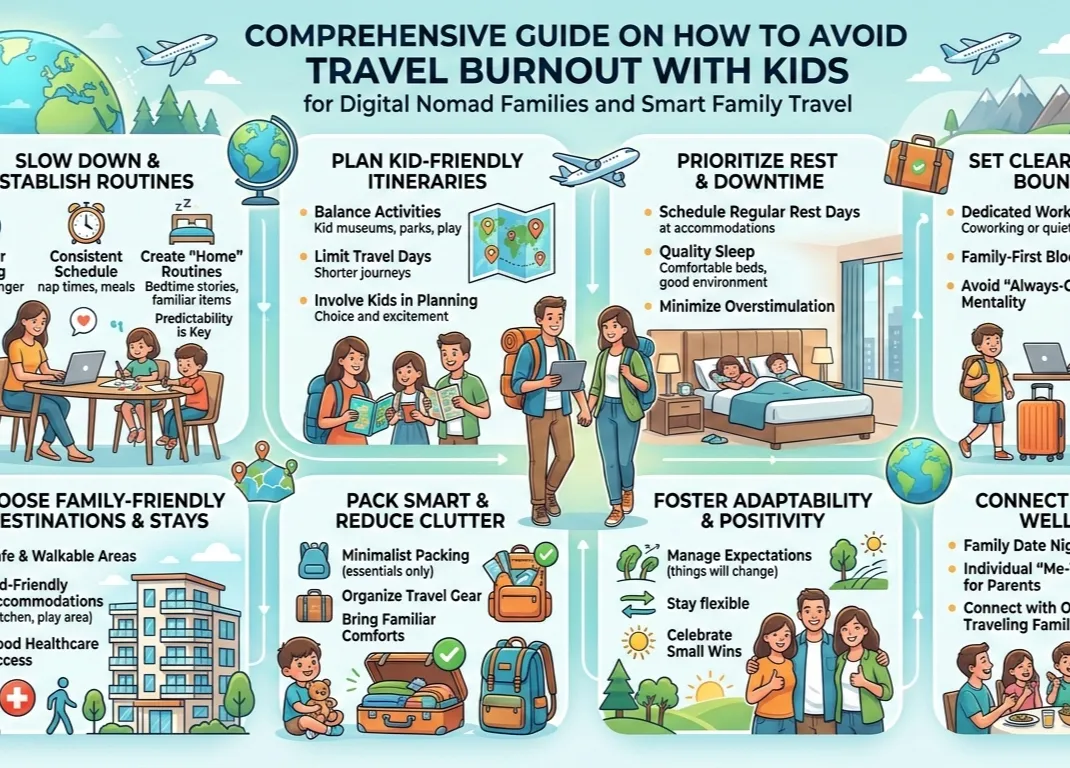
A successful family travel adventure isn't built on a perfect itinerary, but on the resilience of the travelers. 2026 is seeing a shift toward "slow travel"—staying in one place for 4-8 weeks instead of hopping cities every three days. This reduces stress for the kids and allows you to actually experience the local culture rather than just seeing it through a taxi window.
2. Cracking the Code: Budgeting for the Long Haul
Finances are the number one reason families hesitate. There’s a common misconception that you need to be a millionaire to travel full-time. The reality? For many families from the US, UK, or Australia, living in Southeast Asia or Latin America is actually cheaper than staying at home.
Wondering How Much Does It Cost to Travel the World as a Family?? We break it all down, from the high-cost hubs of Europe to the budget-friendly gems of the Balkans. You can also learn How to Travel Full-Time Without Being Rich.
If you are hunting for cheap family adventure holidays, look into "geo-arbitrage." This involves earning in a strong currency (like USD or EUR) while spending in a local currency where the cost of living is significantly lower. By choosing destinations like Vietnam, Albania, or Colombia, your family can enjoy a high quality of life, including private tutors and beautiful villas, for a fraction of your current mortgage payment.

3. Safety and Insurance: Protecting Your Most Valuable Assets
When you’re traveling with children, the "what ifs" can keep you awake at night. What if someone gets sick? What if our gear is stolen? What if there's a political shift? In the Ultimate Guide to Family Travel in 2026, we emphasize that safety isn't about avoiding risk—it's about managing it.
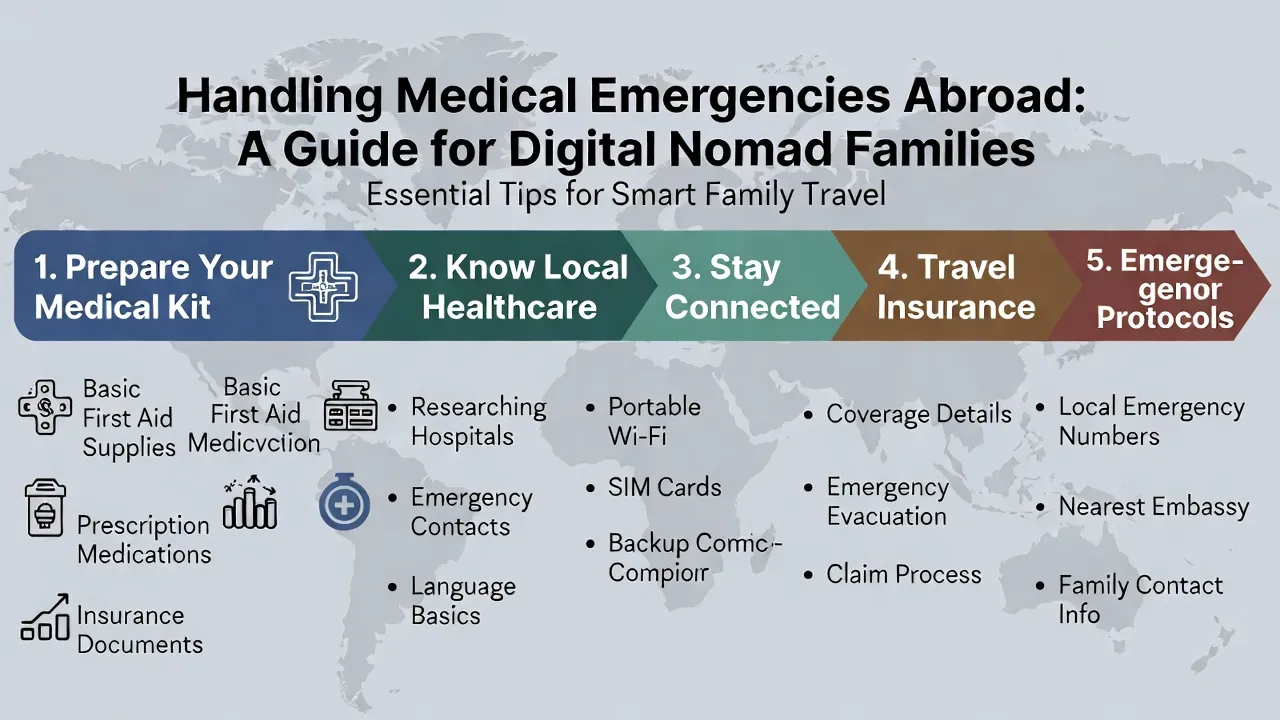
Never travel without coverage. Read our guide on the Best Travel Insurance for Families to find plans that cover everything from emergency medical evacuations to "cancel for any reason" clauses. Beyond insurance, you need practical on-the-ground knowledge. Check out our top Safety Tips When Traveling With Children, which include using GPS trackers for toddlers and teaching your kids how to identify "safe" adults in different cultures.
4. Education Without Borders: The Worldschooling Revolution
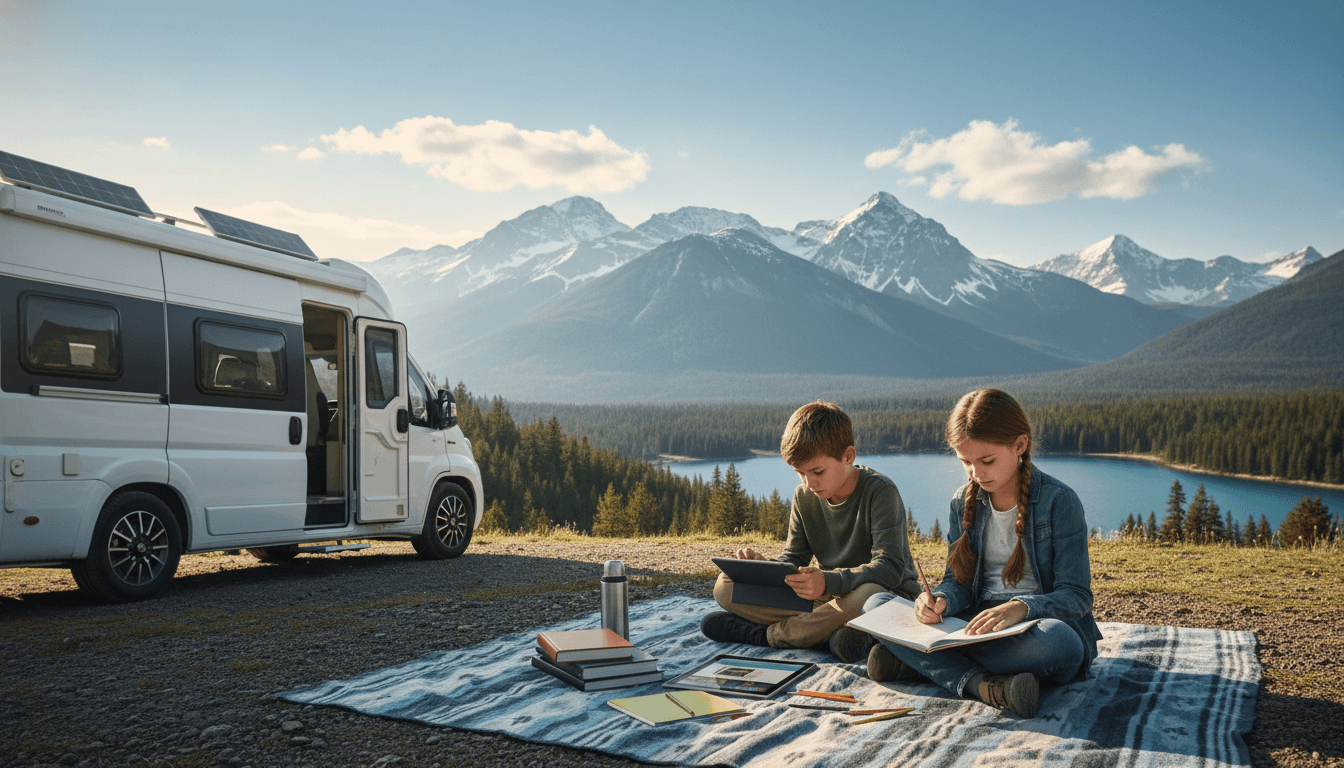
"But what about school?" This is the question every traveling parent hears from concerned grandparents. In 2026, the answer is simpler than ever: Worldschooling. This isn't just homeschooling on a plane; it’s an educational philosophy that uses the world as a classroom. Imagine studying the Roman Empire while sitting in the Colosseum, or learning marine biology while snorkeling in the Great Barrier Reef.
Education on the road is entirely possible and often superior to traditional settings. Check out our Homeschooling While Traveling: Complete Guide to understand the legalities and the various methods, from "unschooling" to structured curriculums. If you prefer a more traditional approach, explore Online School Options for Traveling Families. Many schools now offer synchronous and asynchronous classes specifically designed for students in different time zones.
5. The Nomad Career: Balancing Boardrooms and Beaches
To sustain a long-term family travel adventure, you likely need a remote income. The good news? The corporate world has fully embraced remote work by 2026. However, working while parenting on the road requires a level of discipline that traditional office work doesn't.
Can you sustain this lifestyle? Yes! Find out Can You Be a Digital Nomad With Kids? and learn the "co-working/co-playing" model that many nomad families use. Furthermore, many governments have realized the economic benefit of nomadic families. Discover the Best Countries With Digital Nomad Visa for Families, where you can get legal residency for a year or more just by proving a remote income. These visas often provide access to local healthcare and schools, making them a game-changer for 2026 travel.

6. The Art of Packing Light: Gear That Matters
If you can’t carry it yourself, you don’t need it. This is the mantra of the experienced traveling family. Overpacking is the quickest way to turn a dream trip into a logistical nightmare of heavy suitcases and lost strollers.
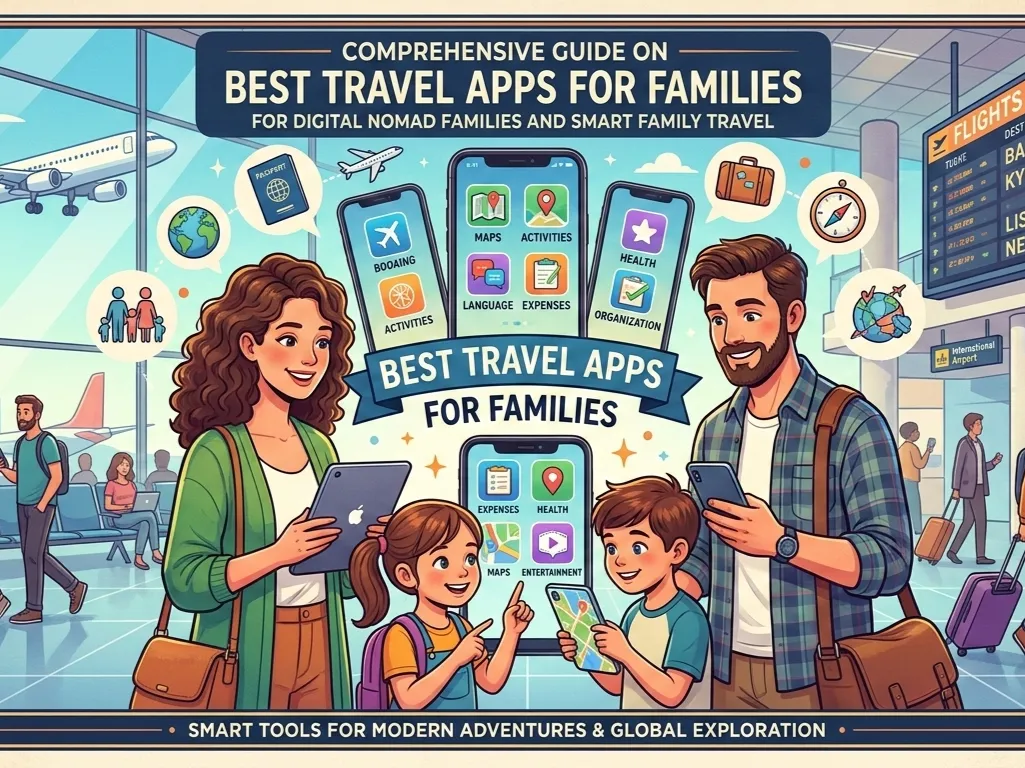
Packing light is essential for mobility. See our Packing List for 1 Month Family Travel for a minimalist breakdown that works for any climate. You also need to invest in the right tools. From lightweight, collapsible strollers to portable power banks and universal travel adapters, see the Must-Have Travel Gear for Kids to ensure you aren't missing the essentials that make life on the road bearable.
7. Destinations That Define 2026: Where to Go Next
Where should you go? The world is vast, but some regions are becoming true hubs for nomadic families. Whether you are looking for family bucket list ideas like seeing the Northern Lights in Norway or exploring the ancient temples of Kyoto, 2026 has some clear winners for family-friendly infrastructure.
We've compiled the Best Countries to Travel With Kids in 2026, focusing on safety, internet speed, and "kid-friendliness."
- Portugal: Still a top choice for its amazing climate and digital nomad community.
- Costa Rica: Perfect for those seeking an eco-conscious family travel adventure.
- Japan: With its incredible safety and world-class transport, it remains a favorite for families.
- Malaysia: Offering a blend of modern amenities and incredible nature at a very low cost.
Value Section: The "3-3-3 Rule" for Traveling Sanity
As a senior traveler, I’ve learned that the "Ultimate Guide to Family Travel in 2026" wouldn't be complete without a strategy for mental health. Long-term travel is rewarding, but it can be exhausting. To prevent "travel fatigue," we recommend the 3-3-3 Rule:
- 3 Weeks in One Place: Minimum. Stop the one-night stands with cities. Give your kids time to find a favorite playground and your "home" to feel like home.
- 3 Hours of "Me Time": Each parent needs time away from the kids and the "work" of travel. Whether it's a gym session or sitting in a cafe alone, preserve your individuality.
- 3 Bucket List Items per Month: Don't try to do everything. Pick three major family bucket list ideas per month and let the rest of the days be about "normal life" in a new location.
FAQ
Is it safe to travel with kids in 2026? Yes, it is generally very safe, provided you do your research. Many destinations are more family-centric than Western cities. Always check current travel advisories and have comprehensive travel insurance.
How do we handle socialization for the kids? Worldschooling hubs and digital nomad communities are popping up everywhere (like Bansko, Bali, and Lisbon). Your kids will often meet more diverse friends on the road than they would in a single neighborhood school.
What about healthcare in foreign countries? Many countries offer world-class private healthcare at a fraction of the cost found in the US. With the right international insurance, you can access the best hospitals globally.
Do I need a special visa to work remotely with my family? While many families travel on tourist visas (the "border run" method), it is increasingly common and safer to apply for specific Digital Nomad Visas which are now offered by over 50 countries.
How much should I save before starting a family travel adventure? We recommend having at least 3-6 months of living expenses as an emergency fund, plus your initial "launch" costs (flights, gear, and first month's rent).
(This is the pillar article. Bookmark this page as we continuously update it with the latest information for digital nomad families.)
AdSense Placeholder (728x90 or 300x250)
Join Our Nomad Family
Get weekly tips on smart family travel, remote work strategies, and homeschooling resources delivered straight to your inbox.
We respect your privacy. Unsubscribe at any time.
Related Articles