Can You Be a Digital Nomad With Kids?
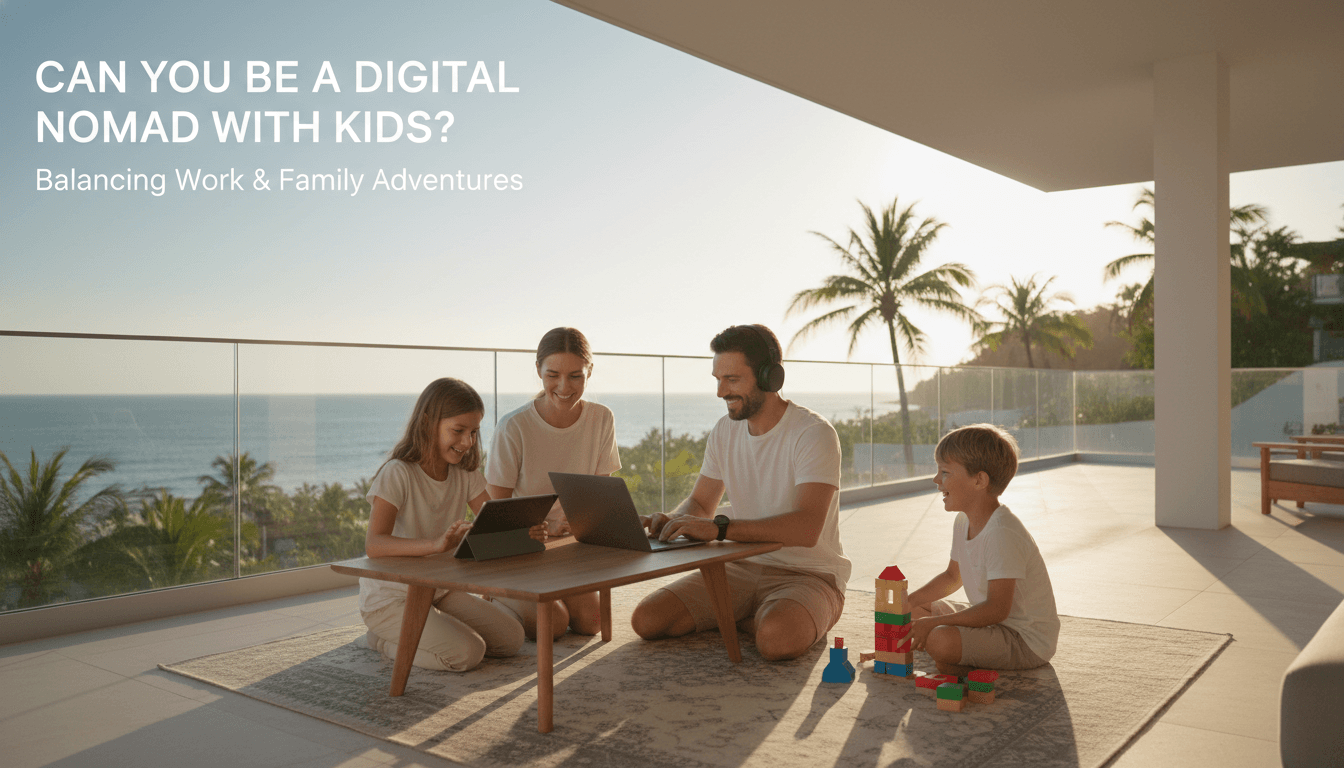
The old narrative used to be simple: you travel in your twenties, settle down in your thirties, and put the passport in a drawer once the kids arrive. For a long time, the "digital nomad" lifestyle was seen as the exclusive domain of solo backpackers and childless couples sipping lattes in Bali. But the world has shifted. Remote work is no longer a luxury, and a growing number of parents are asking the million-dollar question: Can you be a digital nomad with kids?
The short answer is a resounding yes. However, the long answer involves a complete shift in perspective. You aren't just "traveling" anymore; you are relocating your entire life, one country at a time. It requires more than just a laptop and a dream; it requires a strategy that balances professional deadlines with the unpredictable needs of a toddler or the social requirements of a teenager.
This article is part of our comprehensive family travel series. Be sure to check out our Ultimate Guide to Family Travel in 2026 for a complete overview.
Redefining the Nomad Dream: Can You Be a Digital Nomad With Kids?
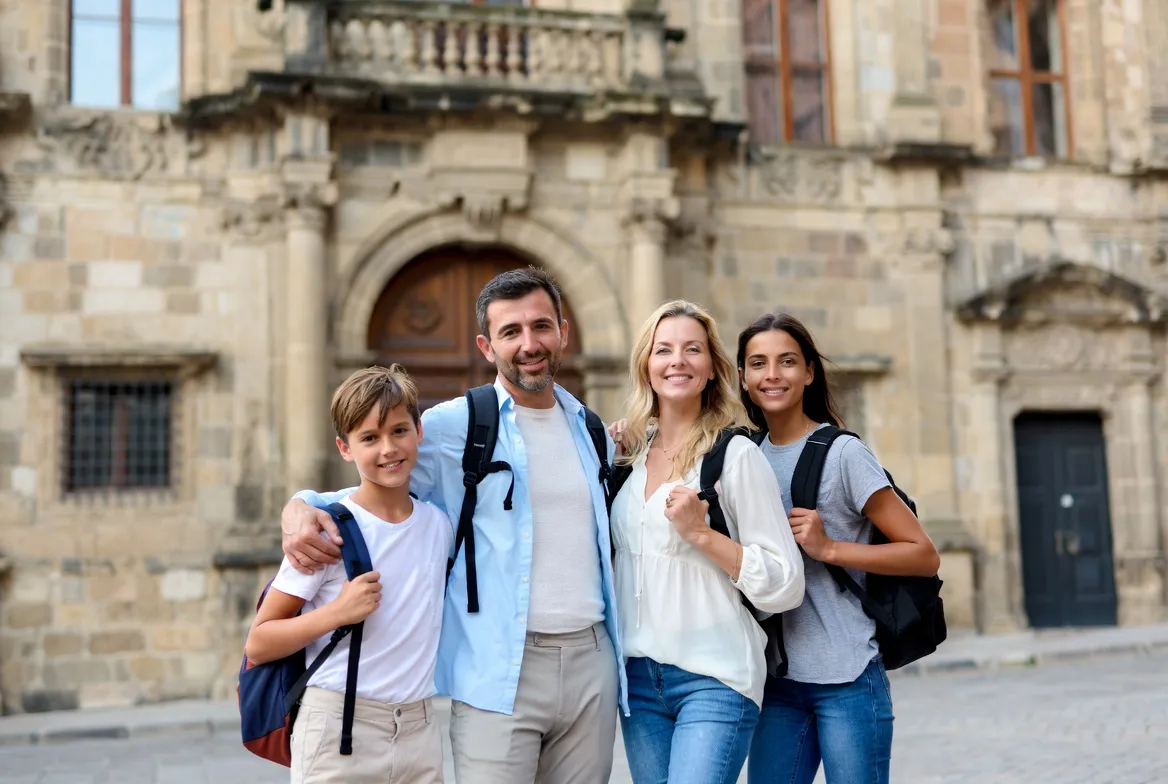
When people ask, "Can you be a digital nomad with kids?", they are usually worried about stability. We’ve been conditioned to believe that kids need a white picket fence and a stationary classroom to thrive. In reality, children are remarkably adaptable. The travelling family doesn't lack stability; they simply find it in their relationships rather than a physical address.
Transitioning to this lifestyle means moving away from "fast travel." You can't hop between hostels every three days. Instead, nomad families embrace "slowmading"—staying in one location for one to three months. This allows you to find a rhythm, scout the best local grocery stores, and establish a routine that keeps everyone sane.
The Education Question: Worldschooling and Beyond
Perhaps the biggest hurdle for parents considering travelling full time with kids is education. How do you ensure your child doesn't fall behind? The rise of the digital nomad movement has birthed a variety of flexible schooling options:
- Worldschooling: This is the practice of using the world as your classroom. If you are in Rome, history is the Colosseum. If you are in Costa Rica, science is the rainforest.
- Online Academies: Many families opt for structured online schools that provide a recognized curriculum while allowing for geographic independence.
- Homeschooling/Unschooling: A more self-directed approach where parents take full control of the learning process, often following the child's interests.
- Local Hubs: Some nomad-heavy destinations like Bansko, Ubud, or Playa del Carmen have "pop-up" schools or co-learning spaces specifically designed for nomadic children.
Many travelling with kids blogs highlight that the social skills and cultural empathy kids gain from seeing the world often outweigh the benefits of a traditional classroom. They learn to navigate different languages, currencies, and social norms before they even reach high school.
Balancing Productivity and Parenting on the Road
The "digital" part of being a digital nomad is the hardest to maintain when you have little ones. You can't just work from a noisy playground, and you can't ignore your kids for eight hours straight in a tiny Airbnb.
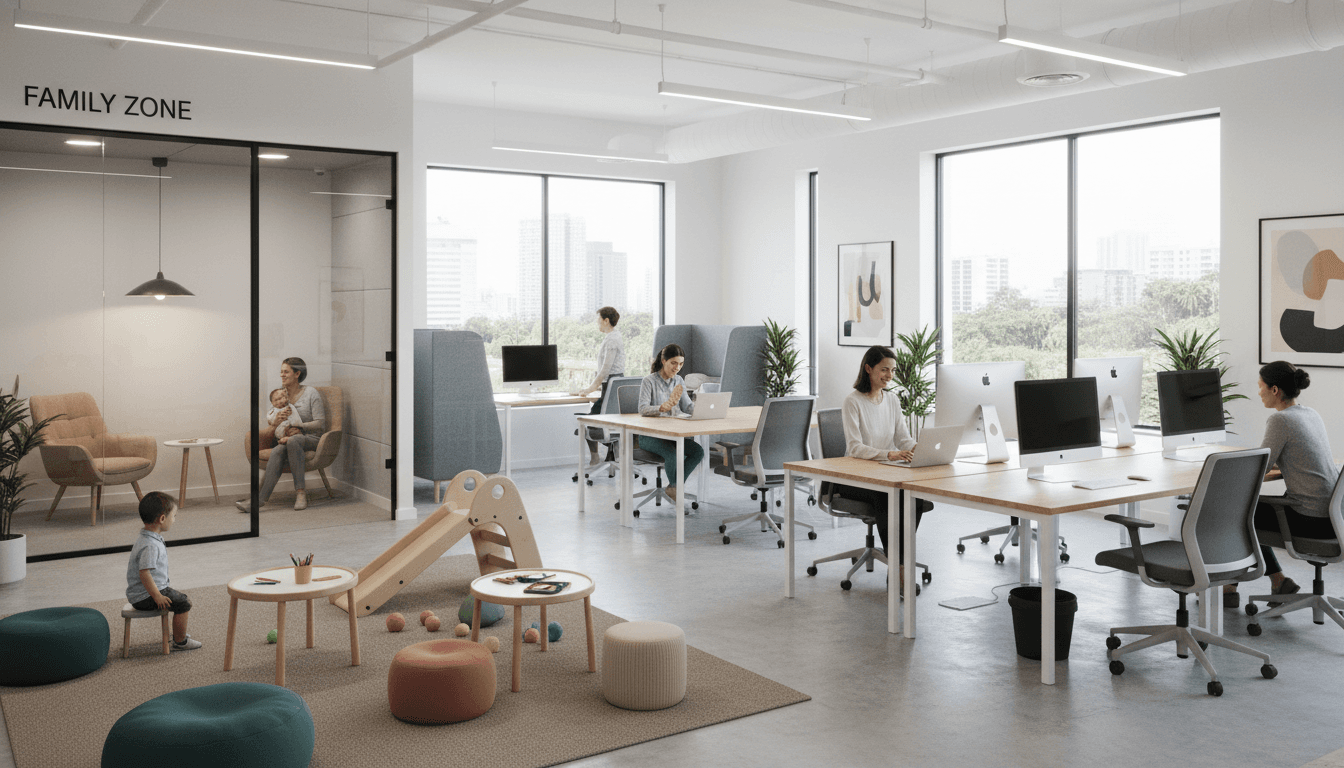
To make it work, the travelling family often employs "tag-team" parenting. One parent works in the morning while the other takes the kids to a local museum or park. In the afternoon, they swap. Alternatively, many nomad parents seek out "family-friendly" coworking spaces that offer on-site childcare—a growing trend in digital nomad hubs worldwide.
If you are curious about how others manage the daily grind, you can find inspiration in these Real Stories of Digital Nomad Families. You'll see that while the "Instagram version" looks perfect, the reality involves a lot of late-night Zoom calls and early-morning diaper changes.
Logistics: Visas, Health, and Home Bases
You cannot simply wing it when travelling full time with kids. Logistics become your primary job. Before booking a flight, you need to consider:
- Healthcare: International health insurance is non-negotiable. Look for plans that cover "expats" or "global nomads" and ensure they have good pediatric coverage.
- Visas: Staying long-term in a country requires the right paperwork. Fortunately, many nations are catching on. You should research the Best Countries With Digital Nomad Visa for Families to find destinations that allow you to stay legally for a year or more.
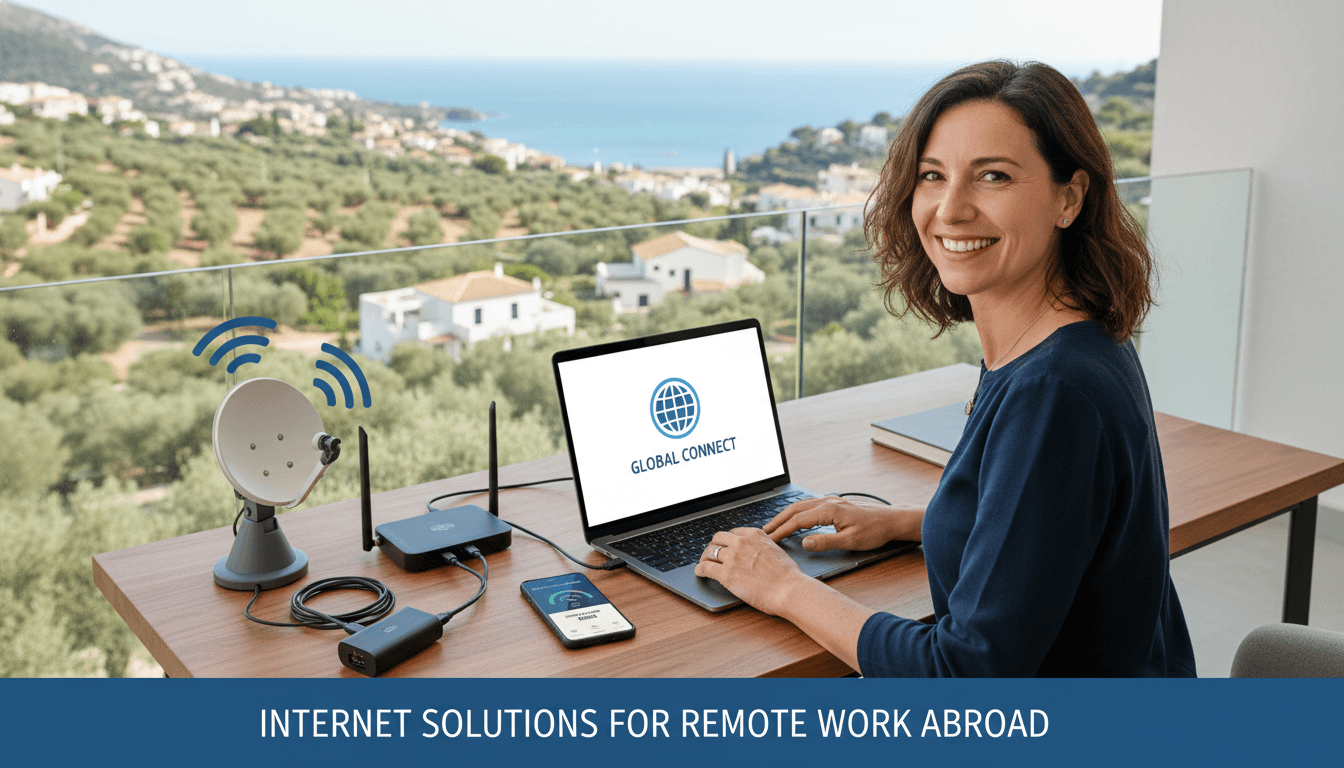
- Internet Reliability: A family of four with two parents working and one kid streaming a lesson needs high-speed fiber. Always ask for a speed test from an Airbnb host before booking.
The Financial Reality of Nomadic Parenting
Is it more expensive to travel as a family? Not necessarily. While your flights will cost more, your daily cost of living can actually drop significantly depending on where you choose to hang your hat. By choosing the Cheapest Countries for Family Travel, many families find they can live a higher quality of life for half the price of their suburban lifestyle back home.
Budgeting for a nomad family should include a "buffer fund." When you are solo, a missed flight is an adventure; when you have kids, a missed flight is an expensive crisis. Always have a financial cushion for those "life happens" moments.
Building Community: Finding Your Tribe
The most common reason families quit the nomad life isn't a lack of money or education—it's loneliness. Kids need friends, and parents need adult conversation.
To succeed, you must be intentional about community. Join Facebook groups like "Digital Nomad Families" or "Worldschoolers." Attend family-oriented nomad summits. Look for "hubs" where other families congregate. When the travelling family finds their tribe, the lifestyle becomes sustainable for the long term.
Don't rely solely on luck. Check out various travelling with kids blogs to see where the current family "hotspots" are. Often, you'll find that where one nomad family goes, others follow, creating a temporary but vibrant community of like-minded travelers.
Value Section: 5 Best Practices for Aspiring Nomad Families
If you are still asking "Can you be a digital nomad with kids?", here are five proven best practices to ensure your transition is a success:
- Test the Waters First: Don't sell your house and move to Thailand immediately. Take a one-month "workation" to a nearby city or country to see how your work-life balance holds up.
- Slow Down Your Pace: Plan for a minimum of one month per location. This reduces "travel burnout" and gives your children time to feel "at home" in their new environment.
- Invest in Quality Gear: From lightweight travel strollers to noise-canceling headphones for your "office" hours, the right gear makes a massive difference in your daily stress levels.
- Maintain Rituals: Whether it's Sunday pancakes or a specific bedtime story, keep small rituals consistent regardless of which country you are in. This provides the emotional "anchor" kids need.
- Prioritize Ergonomics: Don't try to work from a sofa for months. It will ruin your back. Invest in a portable laptop stand and a good mouse to maintain your professional health.
FAQ
1. Is it safe to be a digital nomad with a baby? Yes, in many ways, it's easier to travel with a baby than a toddler. Babies are portable and don't have school requirements. As long as you have access to quality healthcare and clean water, many nomad destinations are very safe for infants.
2. How do I handle vaccinations and healthcare for my kids? Keep a digital and physical copy of your child's immunization records. Most major cities globally have international clinics with Western-trained pediatricians. Always ensure your travel insurance includes medical evacuation.
3. Will my children struggle to make friends? They might initially, but nomadic kids often become "social butterflies." They learn to make friends quickly in playgrounds, co-learning hubs, and local classes. The key is staying in one place long enough for those connections to form.
4. What about the "stuff"? How do we manage toys and clothes? The "one in, one out" rule is essential. For every new toy or clothing item bought, one must be donated or sold. Most families find that kids actually play more creatively when they have fewer toys and more "experiences."
5. Can you be a digital nomad with kids if you have a 9-to-5 job? It is possible, but it requires careful time-zone management. If your company requires you to be online during New York hours, living in Southeast Asia will mean working through the night. Many nomad families prefer "asynchronous" work or roles with flexible hours.
AdSense Placeholder (728x90 or 300x250)
Join Our Nomad Family
Get weekly tips on smart family travel, remote work strategies, and homeschooling resources delivered straight to your inbox.
We respect your privacy. Unsubscribe at any time.
Related Articles