Homeschooling While Traveling: Complete Guide
The dream is often the same: waking up to the sound of waves in Bali or the sight of the Eiffel Tower, all while your children receive a world-class education. But then, reality hits. How do you actually teach algebra while navigating a foreign train station? Is it possible to maintain academic standards without a permanent desk?
As a digital nomad family, we’ve navigated these exact waters. We know that the transition from a traditional classroom to a "global classroom" is both exhilarating and terrifying. This Homeschooling While Traveling: Complete Guide is designed to strip away the confusion and provide a roadmap for families ready to trade the school run for a boarding pass.
Education doesn't have to stop when you cross borders; in fact, it usually accelerates. This article is part of our comprehensive family travel series. Be sure to check out our Ultimate Guide to Family Travel in 2026 for a complete overview of the logistics involved in long-term movement.
The Evolution of Education: Why Homeschooling While Traveling?
The traditional education system was designed for the industrial age—fixed locations, fixed hours, and standardized outputs. But the world has changed. For families who choose a nomadic lifestyle, homeschooling isn't just a workaround; it's a competitive advantage.
When you follow a Homeschooling While Traveling: Complete Guide, you realize that history isn't just a chapter in a textbook—it’s a walk through the Roman Colosseum. Biology isn't just a diagram—it's snorkeling in the Great Barrier Reef. This hands-on approach, often referred to as "Worldschooling," creates a level of engagement that a four-walled classroom simply cannot replicate.
However, the "how-to" is where most families get stuck. Balancing remote work, travel logistics, and curriculum requirements requires a strategic shift in mindset. You aren't just a tourist; you are a facilitator of your child's intellectual growth.
Finding the Best Online School for Traveling Families
For many, the easiest way to ensure academic consistency is to enroll in a structured program. Searching for the best online school for traveling families can feel overwhelming because of the sheer volume of options.
When choosing a digital school, consider these three pillars:
- Time Zone Flexibility: Does the school require live (synchronous) attendance, or is it self-paced (asynchronous)? If you are moving between Asia and Europe, live classes at 3:00 AM are a recipe for burnout.
- Accreditation: If you ever plan to reintegrate into a traditional school system, ensure the online program is accredited so credits will transfer seamlessly.
- Engagement Style: Some schools focus on heavy video lectures, while others utilize interactive projects. Match the style to your child’s learning temperament.
Many nomadic families opt for programs like Laurel Springs, Oak Meadow, or even specialized STEM-focused digital academies. The goal is to find a platform that acts as a partner, not a burden, to your lifestyle.
Exploring Worldschooling Programs and Communities
If a formal online school feels too rigid, you might look into worldschooling programs. Unlike traditional homeschooling, worldschooling often involves temporary hubs or "pop-up" schools where nomadic families gather in one location for a month or two.
These programs offer:
- Socialization: The biggest fear for nomadic parents is often "Will my kids have friends?" Worldschooling hubs provide an instant community.
- Cultural Immersion: Programs often hire local experts to teach language, cooking, or traditional arts.
- Parental Support: While the kids are learning, parents can co-work and share tips on the nomadic lifestyle.
Communities like Boundless Life or Worldschooling Pop-Up provide structured environments in locations like Portugal, Mexico, and Greece. These are excellent for families who want the freedom of travel without the isolation.
How to Become a Traveling Family: The Practical Transition
You don't just wake up one day and become a nomadic family. It’s a process of shedding weight—both physical and mental. If you’re wondering how to become a traveling family, the process usually follows this trajectory:
1. Audit Your Career and Finances
Can your job go 100% remote? If not, can you pivot to freelance work or a business that allows for geographic independence? Understanding your cash flow is the foundation of this journey.
2. The Great Downsize
Selling the house or renting it out? Selling the cars? Minimizing your life into a few suitcases is a liberating but emotional process. Start this at least six months before your departure date.
3. Legal and Educational Compliance
This is a critical part of any Homeschooling While Traveling: Complete Guide. Every country (and every US state) has different laws regarding homeschooling. Some require annual testing; others require a portfolio review. Ensure you remain compliant with your "home" jurisdiction to avoid legal headaches.
To help visualize the day-to-day reality, we recommend reading about the Daily Routine of a Traveling Family to see how we balance these moving parts.
Structuring the Day: Education vs. Adventure
One of the hardest lessons we learned is that you cannot do "school" for six hours a day and still see the world. In a one-on-one homeschooling environment, children often finish their academic work in 2–3 hours.
The rest of the day should be "passive learning." This includes:
- Navigating public transport (Math and Logic).
- Ordering food in a local language (Linguistics).
- Managing a travel budget (Economics).
- Journaling about their experiences (Language Arts).
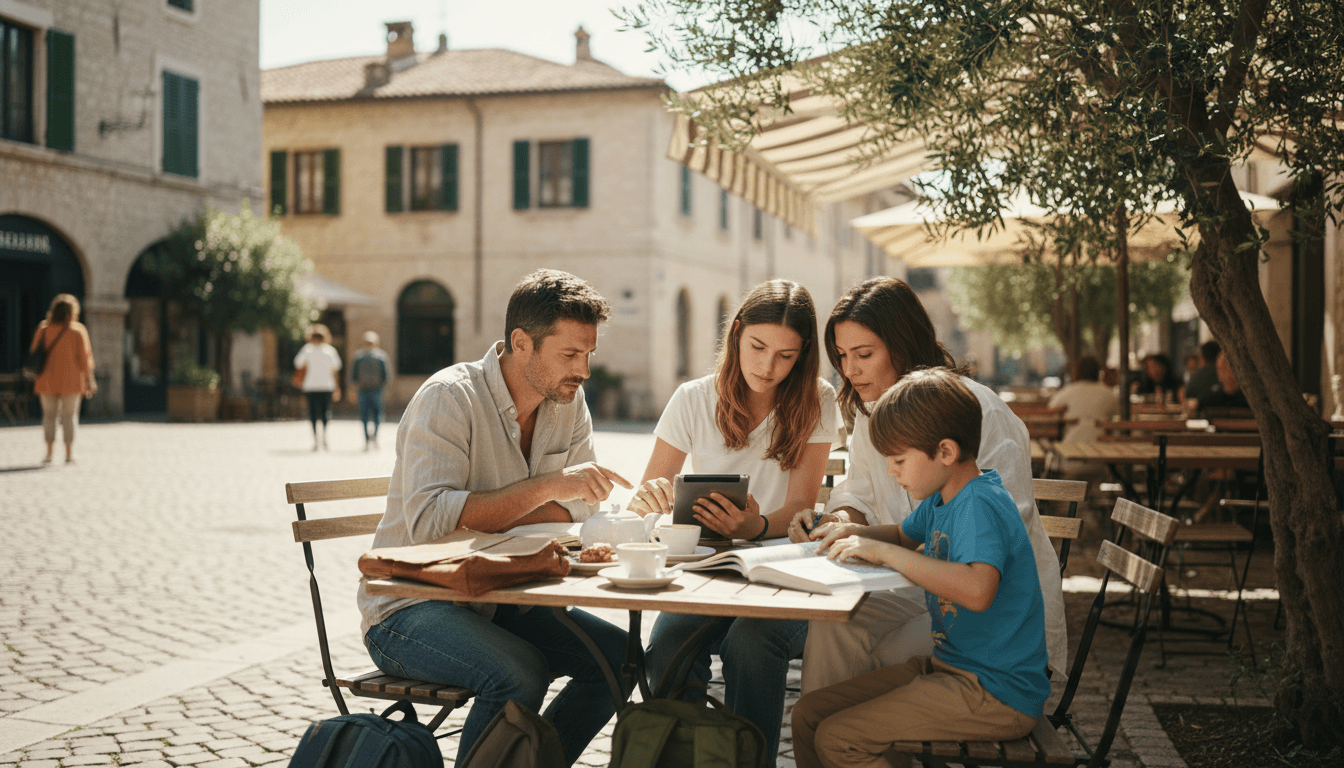
Flexibility is your greatest asset. If you are in a city with a world-class museum, skip the math worksheet and spend the day in the exhibits. You can catch up on the worksheets on a rainy day or a long flight. If you're still questioning the feasibility of this lifestyle, read our deep dive: Can You Be a Digital Nomad With Kids?
Essential Tools for the Traveling Student
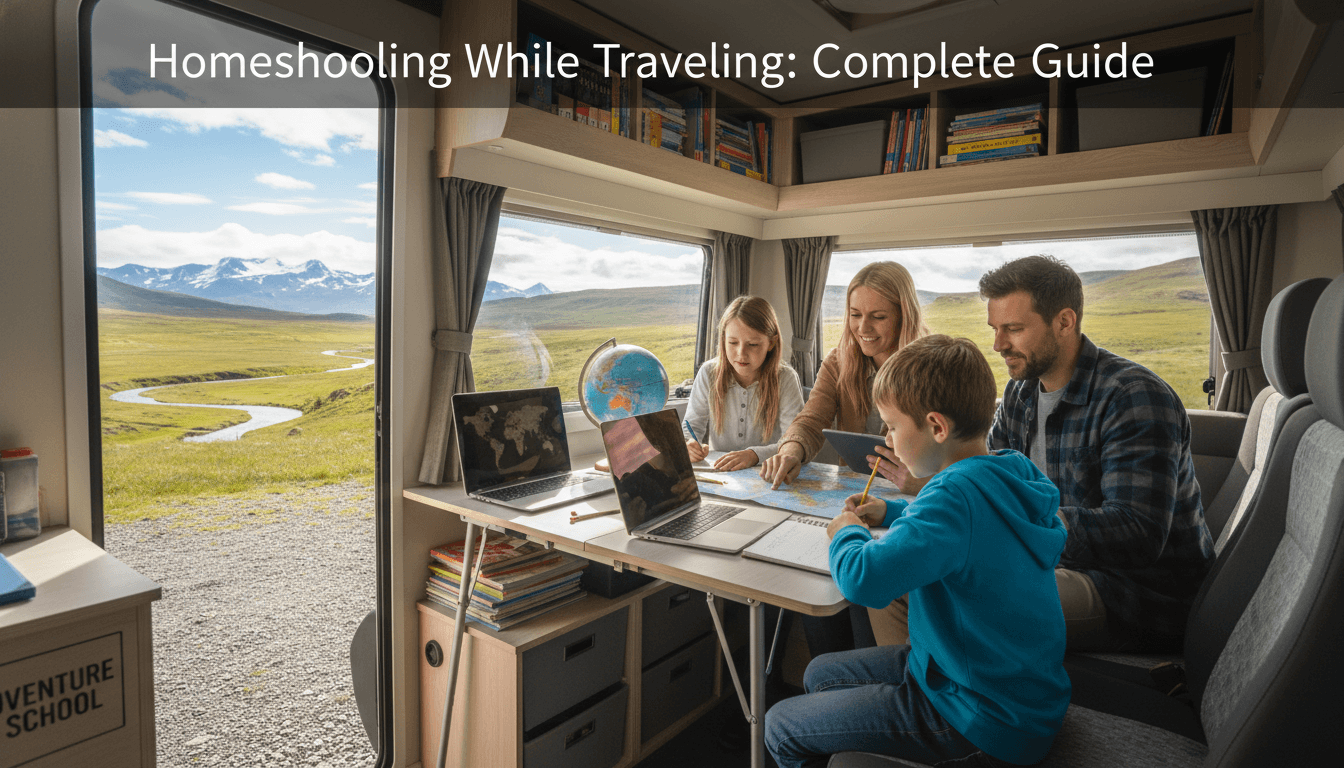
To succeed, you need a "Mobile Classroom" kit. We’ve found that high-quality gear reduces friction and keeps the focus on learning.
- Noise-Canceling Headphones: Essential for focusing in airports or busy cafes.
- Lightweight Laptops/Tablets: Ensure they have rugged cases.
- Offline Resources: Download Kindle books, educational apps (like Khan Academy), and maps before you head to areas with spotty Wi-Fi.
- Physical Journals: Even in a digital age, handwriting helps with retention and provides a beautiful souvenir of the journey.
Safety and Stability on the Road
While we chase adventure, children still need a sense of "home." This doesn't have to be a building; it can be a routine. Whether it's a Sunday morning pancake tradition or a specific bedtime story, these anchors keep kids grounded while their external environment is constantly shifting.
Safety is also a paramount concern. When you are constantly in new environments, your situational awareness needs to be sharp. We have compiled a list of Safety Tips When Traveling With Children that every nomadic parent should memorize.
Value Section: Expert Tips for Long-Term Success
After years of living this lifestyle, here are the "pro tips" that aren't usually in the brochures:
- The "Slow Travel" Rule: Do not change cities every three days. Aim for at least one month in each location. This allows kids to settle into a learning rhythm and reduces "travel fatigue."
- Follow the Interest: If your child becomes obsessed with marine life while in Thailand, pivot your science curriculum to marine biology. This is the beauty of homeschooling; you can adapt to their passions in real-time.
- Join Local Groups: Don't just hang out with other expats. Find local sports clubs, art classes, or playgrounds. It’s the best way for kids to gain true global perspective.
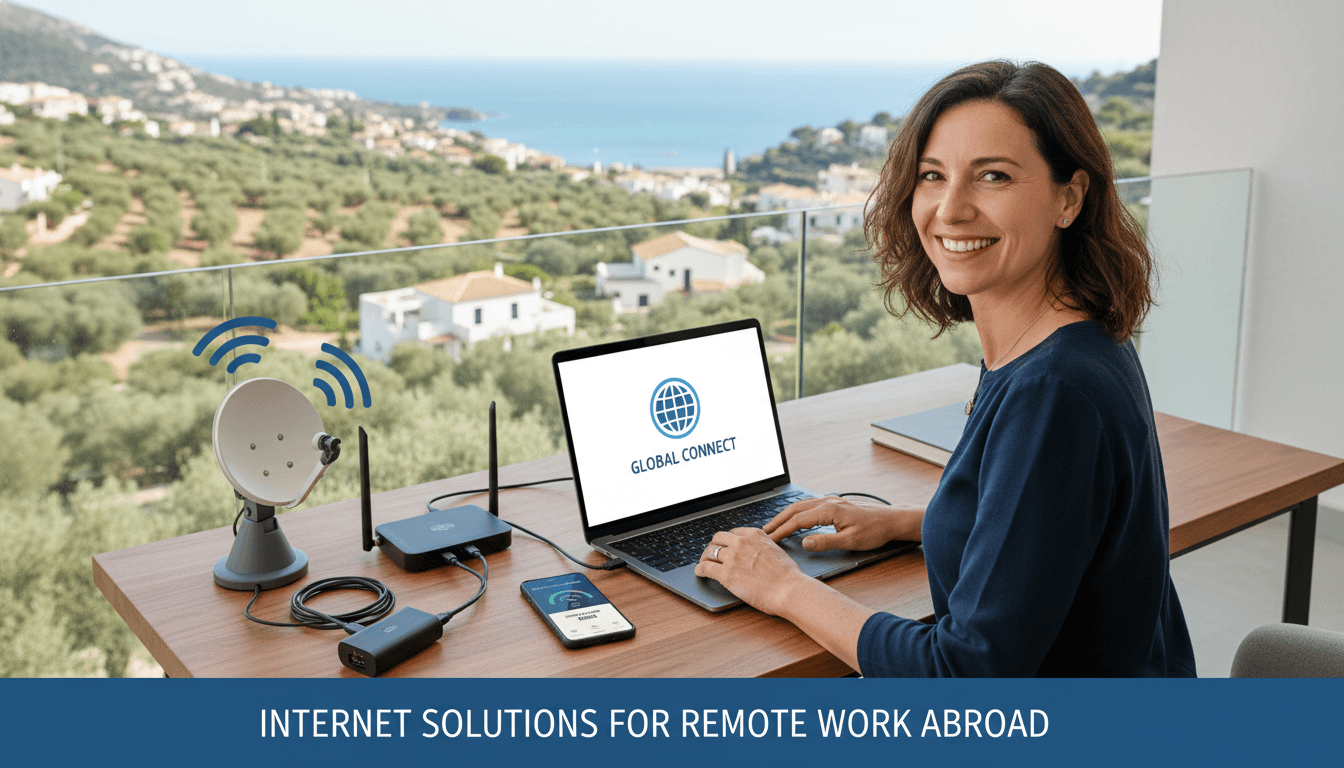
- Internet is Life: Always check "verified Wi-Fi speeds" before booking an Airbnb. Your child’s online school—and your paycheck—depend on it.
FAQ
1. Is homeschooling while traveling legal? In most cases, yes, provided you comply with the laws of your permanent residence (your "domicile"). Some countries have strict compulsory attendance laws for residents, but as a tourist/nomad, you generally fall under the laws of your home country. Always consult a legal expert for your specific situation.
2. How do worldschooling kids socialize? Socialization is often better on the road. Instead of only interacting with kids their own age in one neighborhood, nomadic kids interact with people of all ages, cultures, and backgrounds. They also find "tribes" through worldschooling hubs and online communities.
3. What is the best age to start worldschooling? There is no "perfect" age. Younger children (ages 4–10) are incredibly adaptable and learn languages quickly. Teenagers benefit from the real-world perspective, though they may require more effort to keep connected with their peer groups back home.
4. How much does it cost to homeschool while traveling? It can be cheaper than living in a major city. You save on school uniforms, bus fees, and extracurricular activities. Your main costs will be your chosen curriculum or online school tuition and travel expenses.
5. Can I really work and teach at the same time? Yes, but it requires boundaries. Many nomad parents use a "tag-team" approach where one parent works while the other teaches, or they utilize morning hours for intense study so the afternoon is free for exploration and work.
Final Thoughts
Embracing a Homeschooling While Traveling: Complete Guide mindset is about more than just academics; it’s about reclaiming time. It’s about choosing a life where the "classroom" has no walls and the lessons are written in the experiences of the journey. While it requires more planning than a traditional lifestyle, the rewards—resilient, culturally aware, and curious children—are worth every bit of effort.
The world is waiting. Are you ready to teach?
AdSense Placeholder (728x90 or 300x250)
Join Our Nomad Family
Get weekly tips on smart family travel, remote work strategies, and homeschooling resources delivered straight to your inbox.
We respect your privacy. Unsubscribe at any time.
Related Articles