How to Travel Full-Time Without Being Rich
The Myth of the Millionaire Traveler
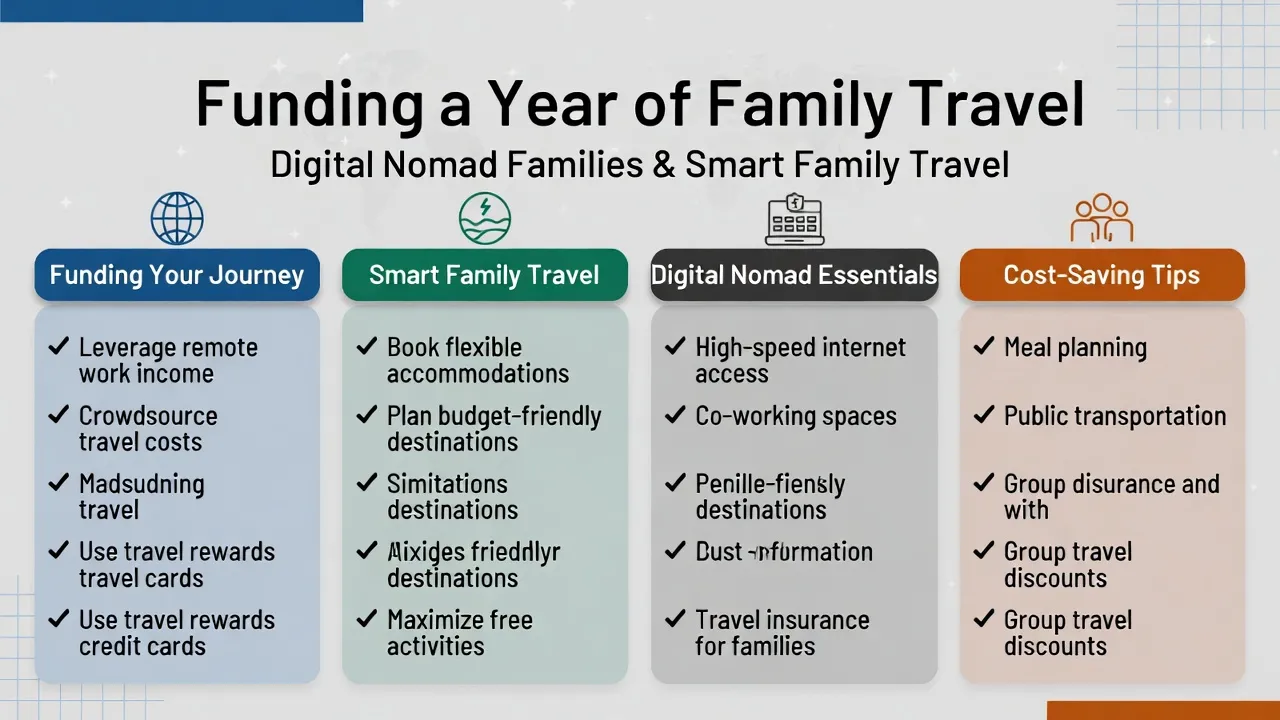
Most people look at photos of digital nomad families and assume there is a secret inheritance or a lottery win hiding in the background. They see the sunset views from a balcony in Bali or a cobblestone street in Portugal and think, "I could never afford that." But here is the reality: learning how to travel full-time without being rich isn't about having a massive bank account; it’s about changing how you view money, work, and lifestyle.
As a digital nomad family, we’ve spent years navigating the globe. We’ve realized that living on the road can actually be cheaper than staying in a fixed location with a mortgage, car payments, and high utility bills. This article is part of our comprehensive family travel series. Be sure to check out our Ultimate Guide to Family Travel in 2026 for a complete overview.
The secret to sustainable long-term travel is a combination of strategic planning, income diversification, and a commitment to "slow travel." If you are tired of the 9-to-5 grind and want to show your children the world, you don't need to wait for retirement. You just need a better strategy.
Redefining Your Relationship with Expenses
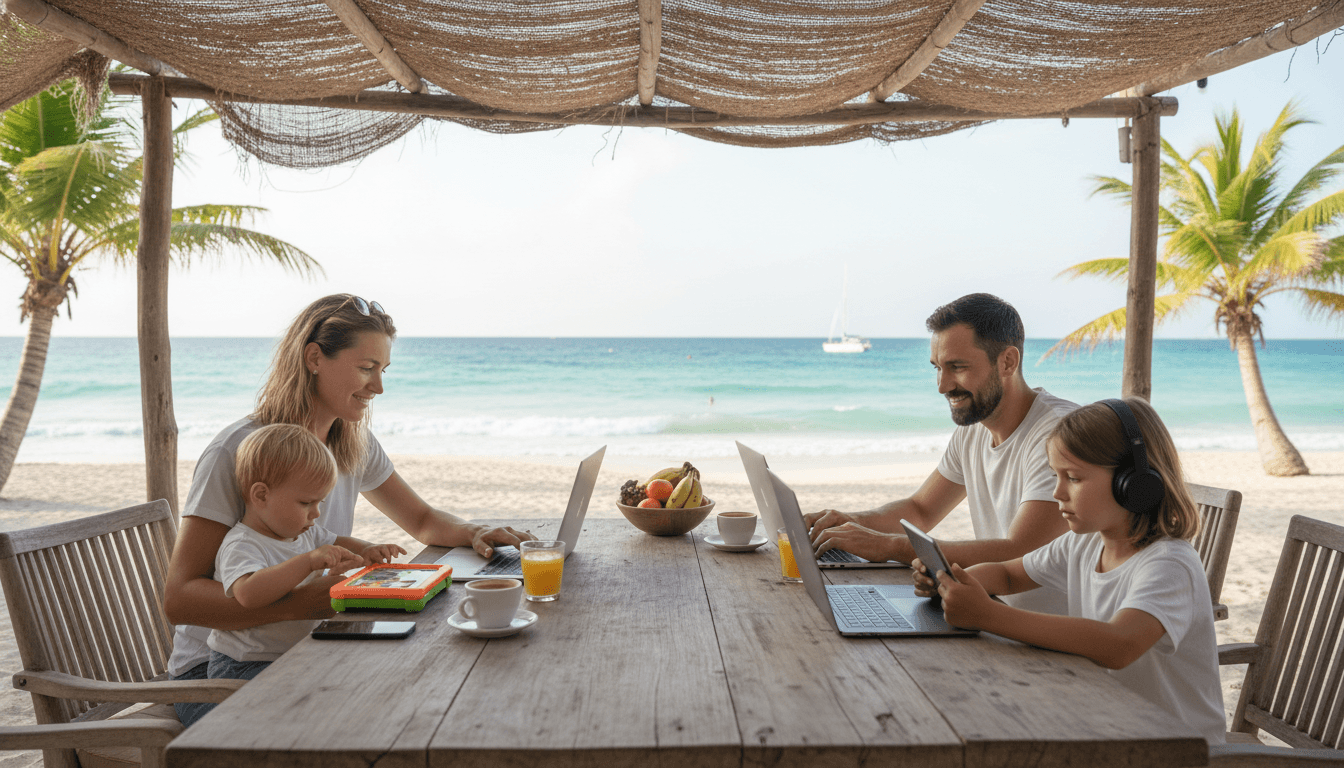
To understand how to travel full-time without being rich, you first have to stop thinking like a tourist. Tourists spend money on convenience, luxury hotels, and expensive tours because their time is limited. When you travel full-time, you are a resident of the world. Your expenses shift from "vacation spending" to "living expenses."
The biggest hurdle for most families is the "stuff" they leave behind. Selling your car, canceling subscriptions, and renting out or selling your home can instantly provide a financial cushion. Instead of paying $2,500 a month for a mortgage and property taxes, you could be spending $1,200 a month for a beautiful villa in Southeast Asia or a cozy apartment in Eastern Europe.
This concept is called geo-arbitrage. It involves earning money in a strong currency (like USD, EUR, or GBP) and spending it in a country where the cost of living is significantly lower. This is the single most effective way to afford living on the road without needing a six-figure salary.
Mastering the Art of Geo-Arbitrage
Geo-arbitrage is the "cheat code" for anyone wondering how to travel full-time without being rich. By choosing destinations where your purchasing power doubles or triples, you effectively give yourself a massive raise without working more hours.
For example, a family of four can live comfortably in places like Thailand, Vietnam, Mexico, or Colombia for a fraction of what it costs in the United States or the UK. In these locations, high-quality healthcare, fresh food, and reliable internet are readily available, but the price tag is aligned with the local economy.
When picking a destination, look for:
- Low-cost housing: Use local Facebook groups rather than Airbnb for long-term stays.
- Affordable local transport: Public transit or walking vs. renting a car.
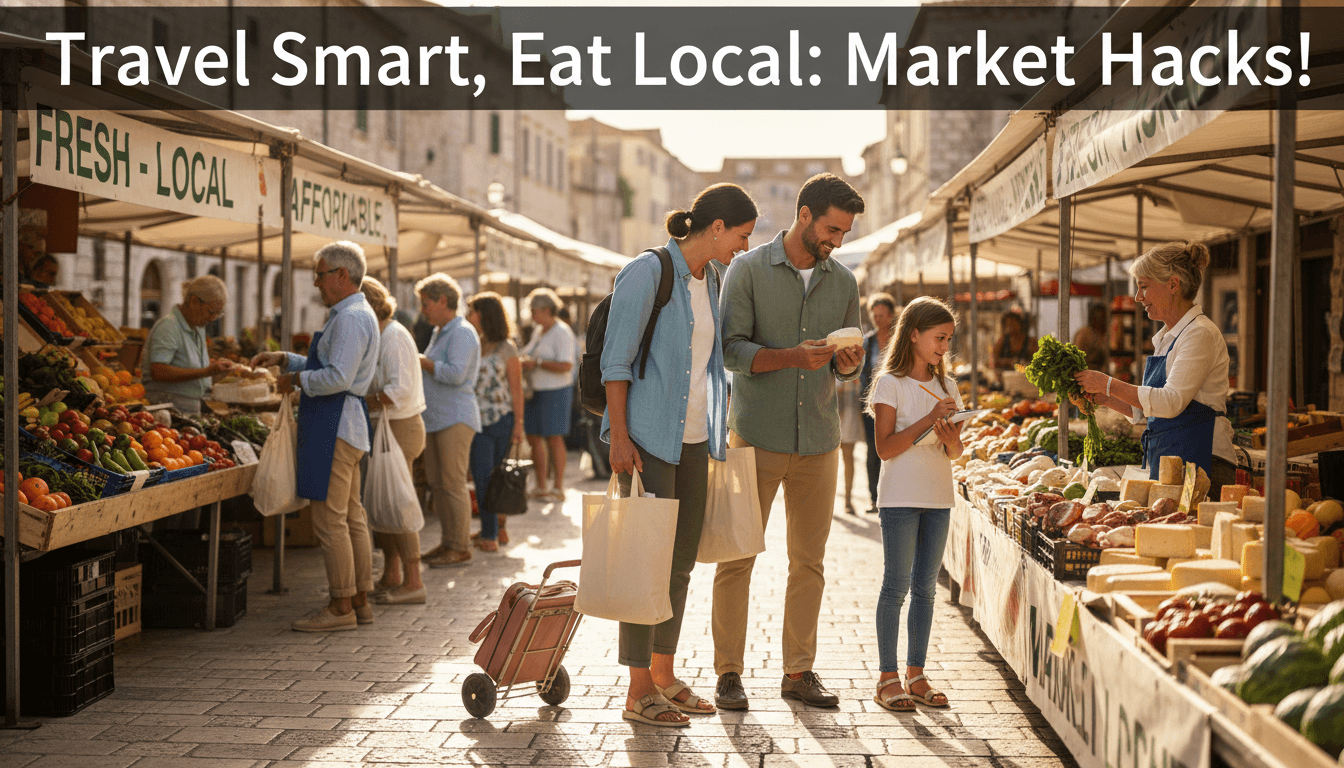
- Cheap, healthy food: Shopping at local markets instead of imported supermarkets.
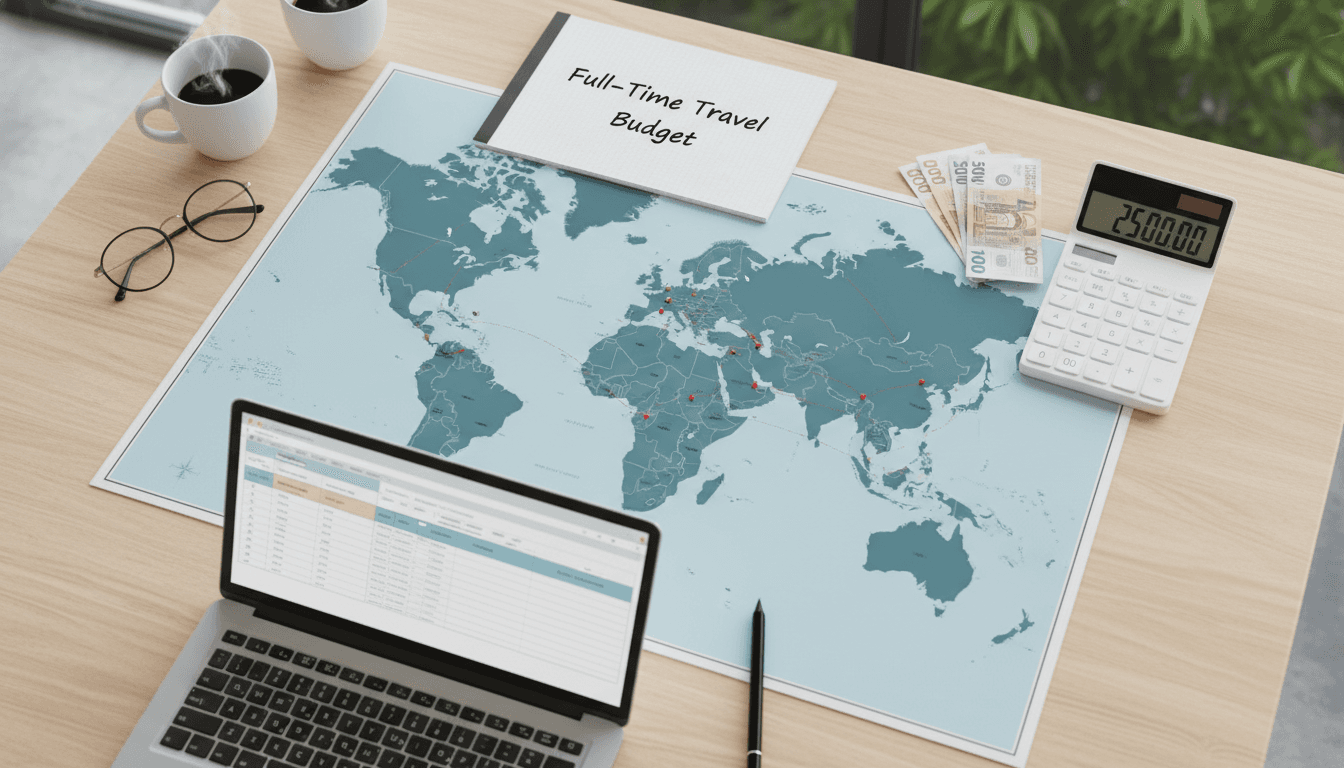
Remote Work: The Engine of Full-Time Travel
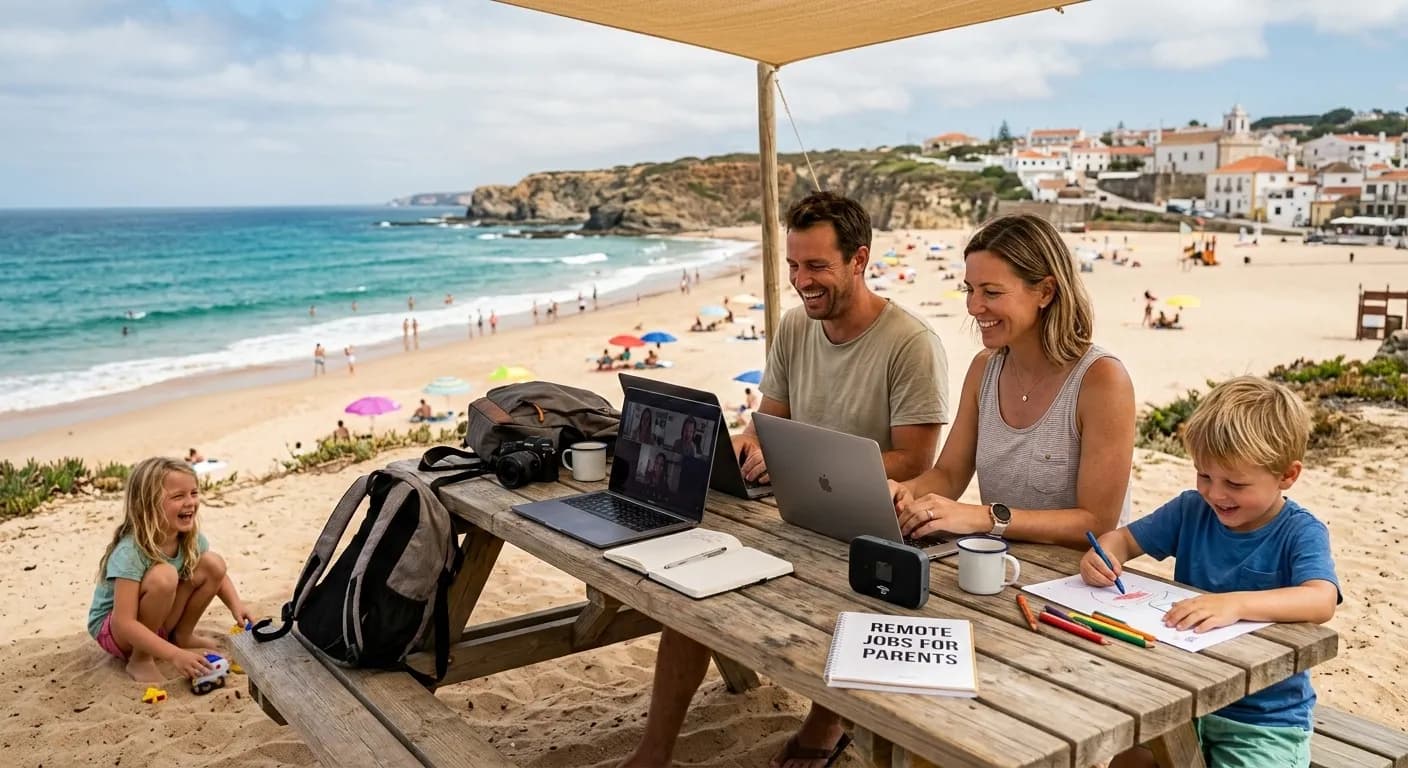
You don't need to be "rich," but you do need a cash flow. The days of needing to be a high-level software engineer to work remotely are over. Today, the digital nomad family lifestyle is supported by a wide range of professions, from virtual assistants and online teachers to content creators and project managers.
To successfully fund your journey, consider these income streams:
- Freelancing: Platforms like Upwork or Fiverr are great for starting, but building a private client base is where the real stability lies.
- Remote Employment: Many companies now offer "work from anywhere" policies.
- Passive Income: This could be from a rental property back home, dividends, or a digital product like an e-book.
The key to long-term success is to ensure your income is decoupled from your physical location. This "location independent living" is what provides the freedom to move when you want and stay when you love a place.
Why "Slow Travel" is Your Best Budget Friend
One of the most common mistakes new travelers make is moving too fast. Not only does this lead to burnout, but it is also incredibly expensive. Flights, bus tickets, and last-minute bookings eat into your budget faster than anything else.
When you embrace slow travel, you save money in several ways:
- Monthly Discounts: Most rentals offer 30–50% discounts for stays of 28 days or longer.
- Home Cooking: You have time to find the local grocery store and cook meals at home, which is much cheaper than eating out three times a day.
- Lower Transportation Costs: You aren't rushing to the airport every four days.
Slow travel also allows your kids to settle in, find local playgrounds, and make friends. It turns a "trip" into a "lifestyle." To further help you on your journey, we highly recommend reading our guide on How to Save Money on Family Flights to keep your transit costs as low as possible.
Accommodation Hacks Beyond Hotels
If you want to know how to travel full-time without being rich, you have to look beyond traditional hotels. For a family, booking two hotel rooms every night is a budget killer.
Instead, look into:
- Housesitting: This is a game-changer. You look after someone’s home and pets in exchange for free accommodation. It’s a great way to live in high-cost areas like London or Sydney for $0 in rent.
- Home Exchanges: Swap your house with another family in a different country.
- Coliving Spaces: Some coliving spaces are now catering specifically to families, providing a community of like-minded people and shared resources.
Using the right financial tools is also vital. We suggest looking into the Best Family Travel Credit Cards to earn points that can be redeemed for free accommodation or flights, further reducing your overhead.

Managing Education and Health on the Road
Two of the biggest concerns for parents considering full-time travel are schooling and healthcare. Fortunately, neither has to be expensive.
Worldschooling is the practice of using the world as a classroom. It can be as simple as "unschooling" or using structured online curriculums. Many families find that their children learn more from visiting the Colosseum or a Balinese rice terrace than they ever did from a textbook.
Regarding health, international travel insurance is a must. However, it is often much cheaper than private health insurance in the US. Many nomads use companies like SafetyWing or World Nomads, which offer monthly subscriptions designed for long-term travelers. If you're looking to expand your knowledge beyond budget, you might also find this useful: Safety Tips When Traveling With Children.
The Value Section: 5 Pillars of Sustainable Budget Travel
To make this lifestyle work, you need a framework. Here are the five pillars we live by to ensure our bank account stays healthy while we explore:
- The 30-Day Rule: Never stay anywhere for less than a month if you can help it. The savings on accommodation and the reduction in stress are worth it.
- Local Integration: Eat where the locals eat, shop where they shop, and use the transport they use. If a place is "built for tourists," it is priced for tourists.
- Emergency Fund: Always keep 3-6 months of living expenses in a high-yield savings account. This isn't for travel; it's for peace of mind.
- Minimalism: The less you carry, the less you spend on baggage fees and the easier it is to move. Focus on experiences, not souvenirs.
- Track Every Penny: Use an app like Trail Wallet or a simple spreadsheet. When you know exactly where your money is going, you can identify "leaks" in your budget before they become problems.
FAQ
1. Is it safe to travel full-time with a family? Yes, with proper research and common sense. Many "developing" countries are actually safer in terms of violent crime than major Western cities. Always check local travel advisories and have a solid insurance plan.
2. How much money do I need to start? There is no magic number, but having enough to cover your first 3 months plus a "flight home" fund is a safe starting point. Many families start with as little as $10,000 in savings while having a remote job lined up.
3. Do I need to pay taxes if I travel full-time? Generally, yes. You usually remain a tax resident of your home country unless you establish residency elsewhere. It is vital to consult with a tax professional who understands "digital nomad" tax laws to avoid double taxation.
4. What about my kids' social life? Worldschooling hubs and digital nomad family groups are popping up everywhere (like in Bansko, Bulgaria or Ubud, Bali). Your kids will likely have a more diverse social circle than they would at home.
5. Can I really learn how to travel full-time without being rich if I have debt? It is harder, but not impossible. Many nomads use the lower cost of living abroad to aggressively pay down debt. If your expenses in Mexico are $1,500 less than in the US, that’s $1,500 more per month you can put toward your loans.
Final Thoughts: The World is More Accessible Than You Think
Learning how to travel full-time without being rich is ultimately a lesson in prioritization. It requires saying "no" to the consumerist lifestyle of the modern world and "yes" to the uncertainty and beauty of the road. You don't need a million dollars; you need a plan, a remote income, and the courage to take the first step.
The world is waiting, and it’s much more affordable than the brochures lead you to believe. Start small, plan smart, and remember that the best things in travel—the sunsets, the friendships, and the growth—don't cost a dime.
AdSense Placeholder (728x90 or 300x250)
Join Our Nomad Family
Get weekly tips on smart family travel, remote work strategies, and homeschooling resources delivered straight to your inbox.
We respect your privacy. Unsubscribe at any time.
Related Articles