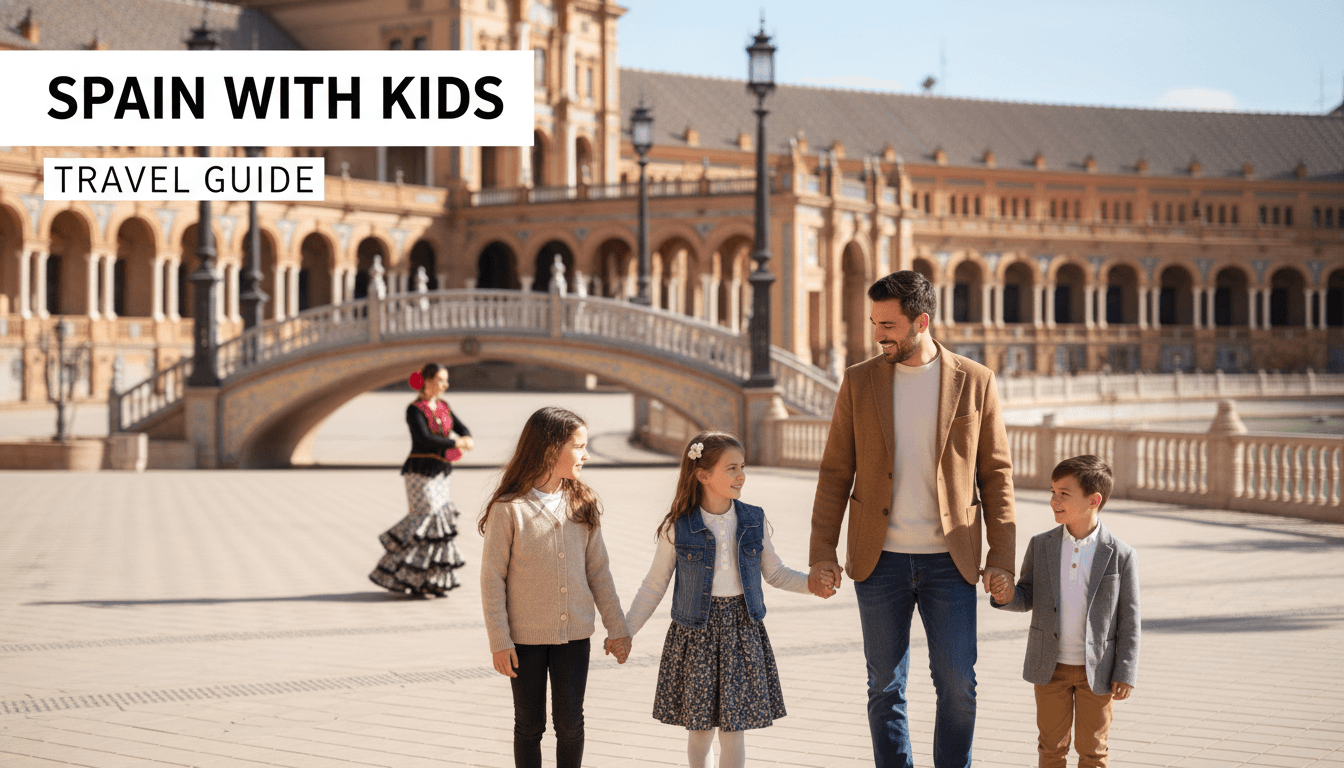
Spain With Kids Travel Guide
The Magic of Exploring Spain as a Family
Imagine walking through a sun-drenched plaza at 9:00 PM. Instead of the quiet streets you might find in London or New York, you see Spanish grandmothers chatting on benches while toddlers kick soccer balls against centuries-old stone walls. This is the heart of the Spanish experience. If you are looking for a Spain with kids travel guide, you have come to the right place. Spain isn't just a destination that "tolerates" children; it is a culture that celebrates them.
As a digital nomad family that has spent months navigating the Iberian Peninsula, we’ve learned that Spain offers a rare blend of historical grandeur and effortless practicality. Whether you’re chasing the Gaudí-inspired dreams of Barcelona or the rugged coastlines of the Costa Brava, traveling here requires a shift in mindset. You have to embrace the late nights, the afternoon siestas, and the glorious chaos of Mediterranean life.
This article is part of our comprehensive family travel series. Be sure to check out our Ultimate Guide to Family Travel in 2026 for a complete overview.
Why Spain is the Ultimate Family Destination
Before we dive into the logistics, it’s important to understand why Spain consistently ranks as a top choice for parents. Unlike many Northern European countries where "children should be seen and not heard," Spain is loud, vibrant, and incredibly welcoming.
Restaurants rarely bat an eye at a crying infant, and it’s perfectly normal to see families dining together late into the evening. The infrastructure is also world-class. The RENFE (high-speed train) network makes moving between major hubs like Madrid and Seville a breeze, even with a mountain of luggage and a stroller in tow.
Best Places to Visit in Spain with Toddlers
When traveling with very young children, your priorities change. You need flat pavements, accessible parks, and plenty of "escape routes" when a meltdown occurs. Here are the best places to visit in Spain with toddlers:
1. Valencia: The City of Arts and Sciences
Valencia is arguably the most kid-friendly city in the country. The Turia Gardens—a massive park built in a diverted riverbed—runs through the entire city. It features the "Gulliver Park," a giant playground where kids can climb over a massive statue of Lemuel Gulliver. Furthermore, the Oceanogràfic (Europe’s largest aquarium) is a sensory wonderland for toddlers.
2. Madrid: Retiro Park and Beyond
While it’s a bustling capital, Madrid is surprisingly manageable. Retiro Park is the city’s lungs, offering boat rides on the lake and puppet shows on weekends. The city is also home to several interactive museums that cater to younger audiences, making it a staple in any Spain with kids travel guide.
3. San Sebastián: Beach Bliss
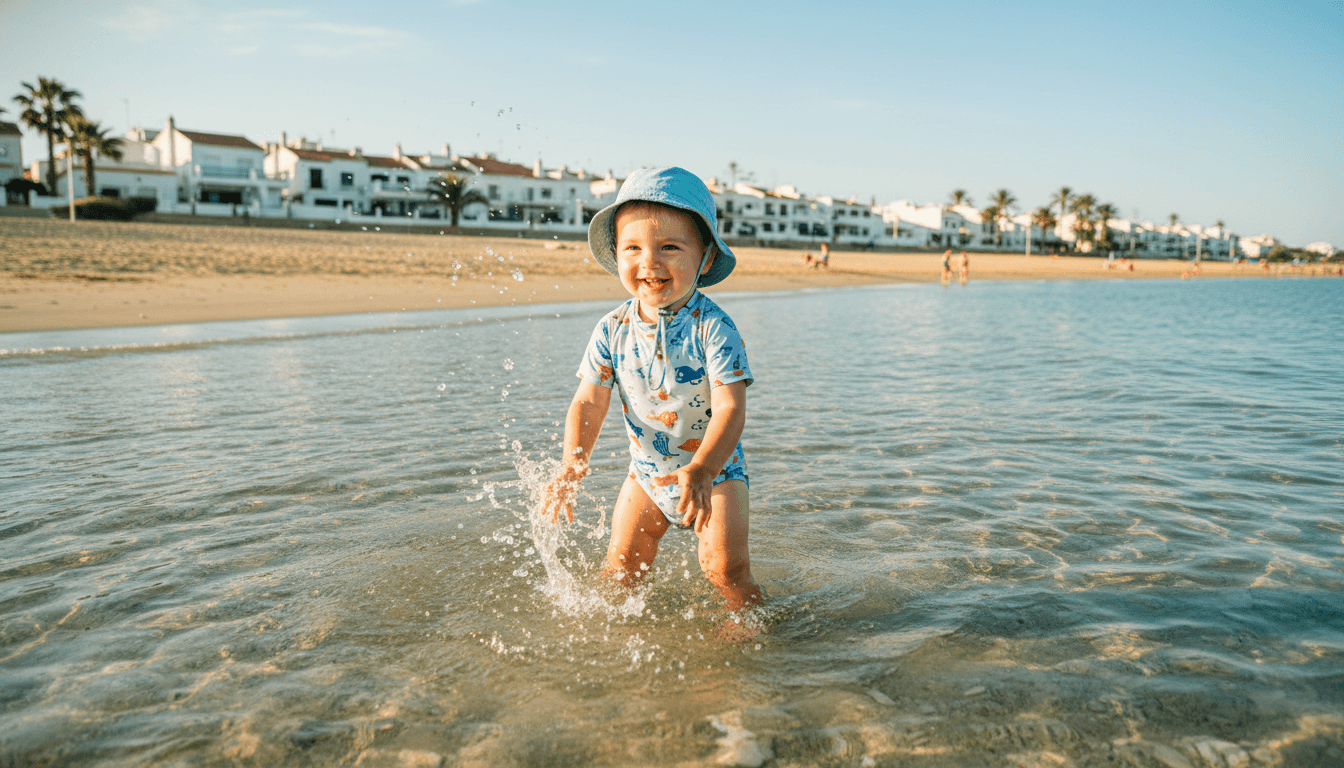
If you want a mix of world-class gastronomy for the parents and safe, shallow waters for the little ones, San Sebastián is unbeatable. La Concha beach is protected from large Atlantic swells, making it one of the safest spots for toddlers to splash around.
A Proven Spain With Kids Travel Guide Itinerary
To get the most out of your trip without burning out, we recommend a 10-to-14-day loop. This Spain with kids travel guide itinerary balances cultural immersion with much-needed downtime.
- Days 1–3: Madrid. Arrive and acclimate. Spend your mornings at the Prado Museum (focus on the highlights!) and your afternoons letting the kids run wild in Retiro Park.
- Days 4–6: Seville. Take the AVE train south. Seville is the soul of Andalusia. Don't miss the Alcázar, but make sure to leave time for a horse-drawn carriage ride through Maria Luisa Park.
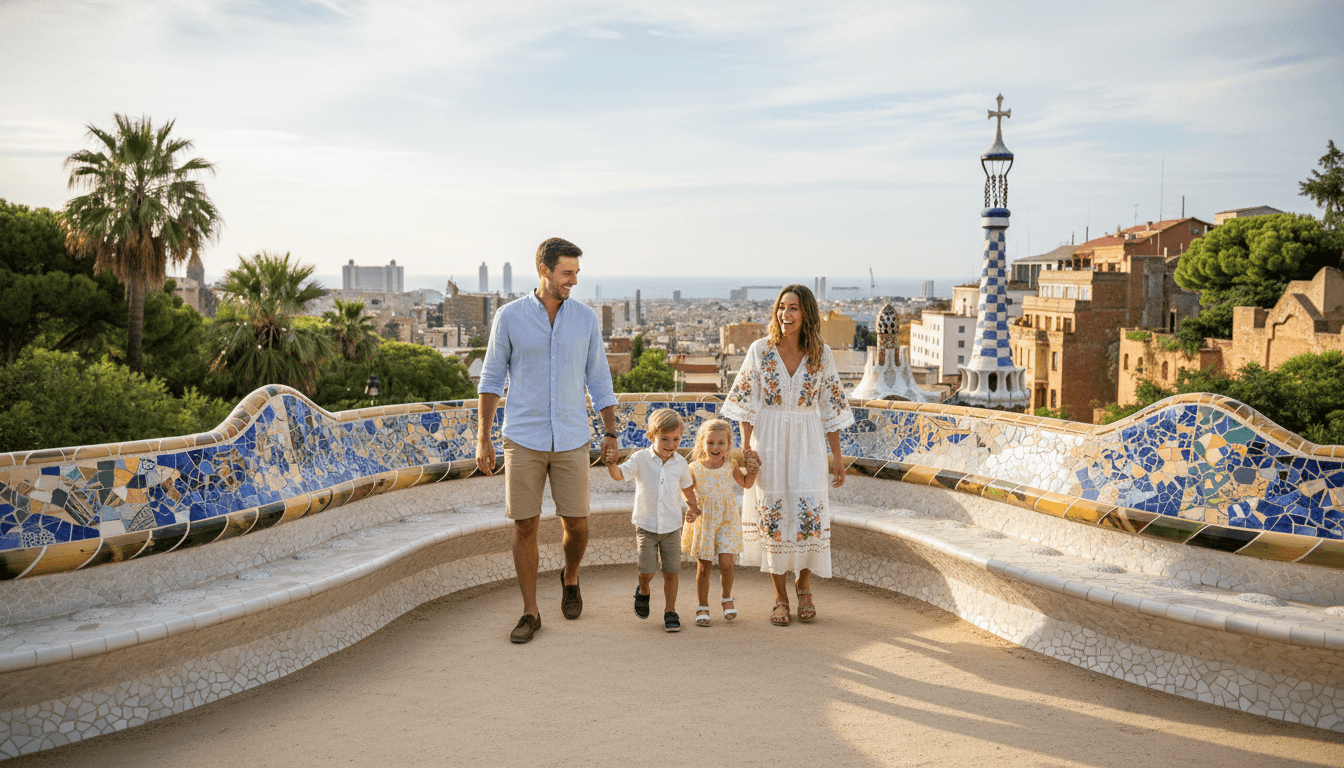
- Days 7–10: Barcelona. Fly or take the train to the Catalan capital. Focus on the beach at Barceloneta and the whimsical architecture of Park Güell.
- Days 11–14: Costa Brava or Mallorca. Finish with a "vacation from your vacation." Rent a villa and enjoy the slower pace of the Mediterranean coast.
To further help you on your journey, we highly recommend reading:
Best Places to Stay in Spain for Families
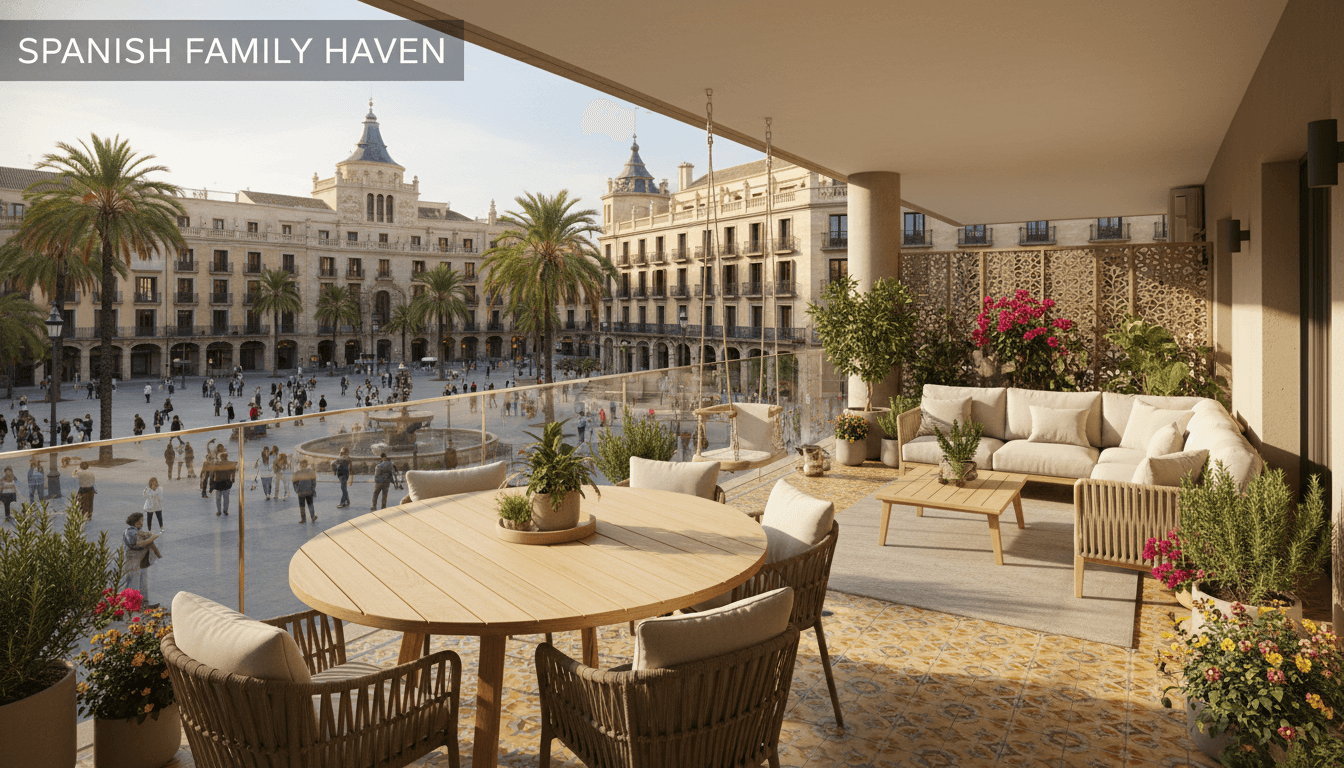
Choosing the right accommodation can make or break your trip. While hotels are convenient, we often recommend "Apart-hotels" or Airbnb-style rentals for families. Having a kitchen to prepare a quick breakfast or a separate bedroom so parents can stay up after the kids go to sleep is a game-changer.
When looking for the best places to stay in Spain for families, consider these neighborhoods:
- Barcelona: Look at Gràcia. It feels like a small village within a city, filled with pedestrian squares and local families.
- Madrid: Chamberí is a traditional residential area that is less touristy but still very central.
- Seville: Santa Cruz is beautiful but can be narrow for strollers. Consider Triana for a more authentic, spacious feel.
Logistics: Getting Around and Eating Well
Navigating the Trains
The RENFE trains are your best friend. They are fast, clean, and often have a "silent car" (though you’ll want to avoid that with kids!). Pro tip: Book your tickets in advance via the Renfe website or an app like Trainline to secure "Mesa" (table) seats, which give the family more room to spread out.
The Dining Dilemma
The biggest hurdle for Americans or Australians in Spain is the dining schedule. Lunch is usually at 2:00 PM, and dinner rarely starts before 8:30 PM.
- Strategy: Make lunch your main meal. Most restaurants offer a Menú del Día (Menu of the Day) which is affordable and fast.
- Evening: Embrace "Tapas Culture." Instead of a formal sit-down dinner, hop between tapas bars at 7:00 PM. Kids can snack on patatas bravas and tortilla española while you enjoy a glass of Rioja.
Value Section: Expert Tips for Digital Nomad Parents
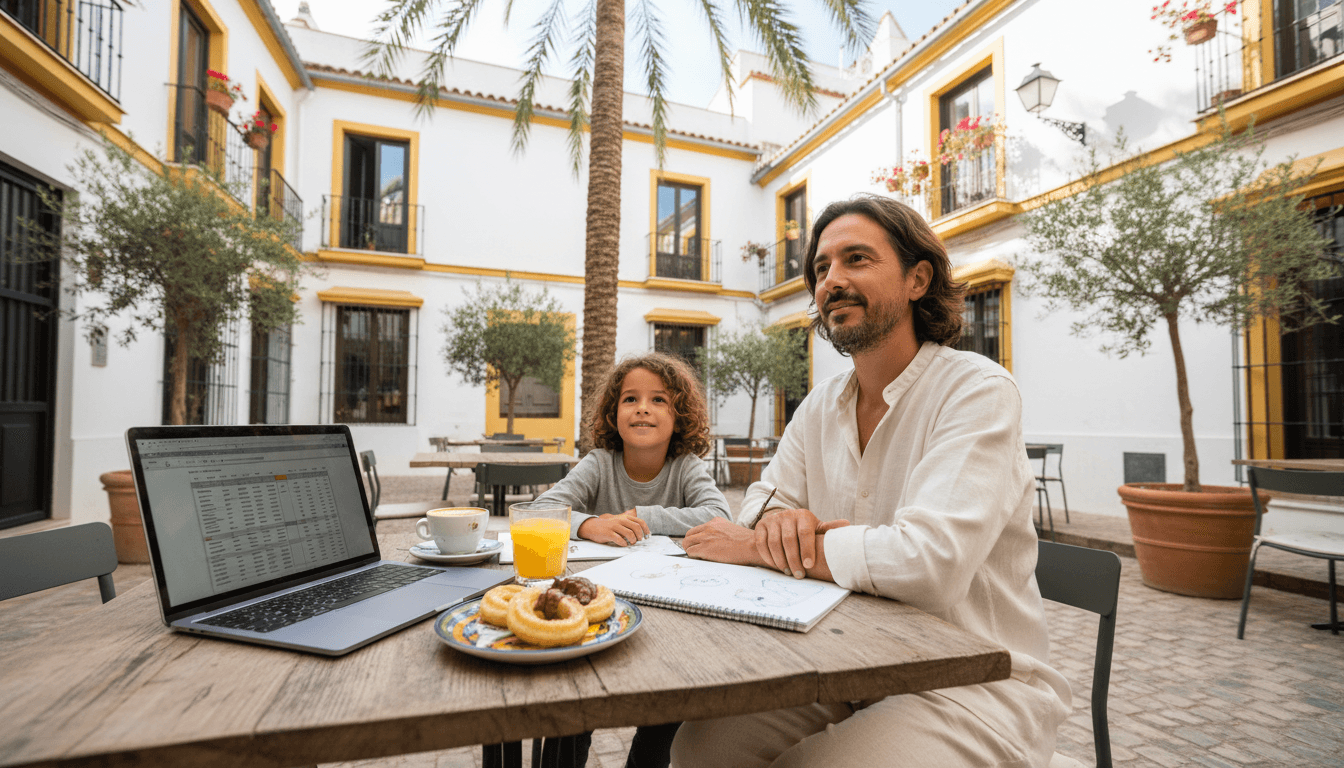
If you're balancing work while traveling, Spain is a dream. The internet speeds are among the fastest in Europe, and coworking spaces are popping up in even the smallest coastal towns.
1. The "Siesta" is Your Secret Weapon Don't fight the midday heat. Between 2:00 PM and 5:00 PM, many shops close. Use this time for a family nap or some quiet work time while the kids watch a movie. It recharges everyone for the lively Spanish evening.
2. Playground Culture In Spain, playgrounds (parques infantiles) are often located right next to outdoor cafes. This is the ultimate "parent hack." You can enjoy a coffee or a beer while keeping a direct line of sight on your children playing safely just a few meters away.
3. Health and Safety Spain has an excellent healthcare system. If you need a doctor, look for a "Centro de Salud." For minor issues, Spanish pharmacists (Farmacias, marked by a glowing green cross) are highly trained and can provide many medications that would require a prescription elsewhere.
If you're looking to expand your knowledge beyond destinations, you might also find this useful:
FAQ
Is Spain stroller-friendly? Mostly, yes. Major cities like Madrid, Barcelona, and Valencia have great sidewalks. However, older quarters in cities like Toledo or Seville have cobblestones that can be brutal on lightweight strollers. We recommend a sturdy "all-terrain" stroller or a baby carrier for historic centers.
What is the best time of year to visit Spain with kids? Spring (April–June) and Fall (September–October) are ideal. The weather is mild, and the crowds are manageable. July and August can be oppressively hot, especially in the south (Seville and Córdoba).
Do I need to speak Spanish? In tourist areas, English is widely spoken. However, learning basic phrases like "Una mesa para cuatro, por favor" (A table for four, please) or "¿Dónde está el baño?" (Where is the bathroom?) goes a long way in building rapport with locals.
Are there diapers and baby food available in Spain? Absolutely. Supermarkets like Mercadona, Carrefour, and El Corte Inglés carry everything you need. Brands like Dodot are the local equivalent of Pampers.
Final Thoughts
Spain is a country that teaches you to slow down. It teaches you that a meal isn't just about fuel, but about connection. For families, it offers a safe, vibrant, and historically rich backdrop for making memories. By following this Spain with kids travel guide, you aren't just visiting a country; you’re adopting a lifestyle—one where the kids are the stars of the show and every sunset is a reason to celebrate.
AdSense Placeholder (728x90 or 300x250)
Join Our Nomad Family
Get weekly tips on smart family travel, remote work strategies, and homeschooling resources delivered straight to your inbox.
We respect your privacy. Unsubscribe at any time.
Related Articles