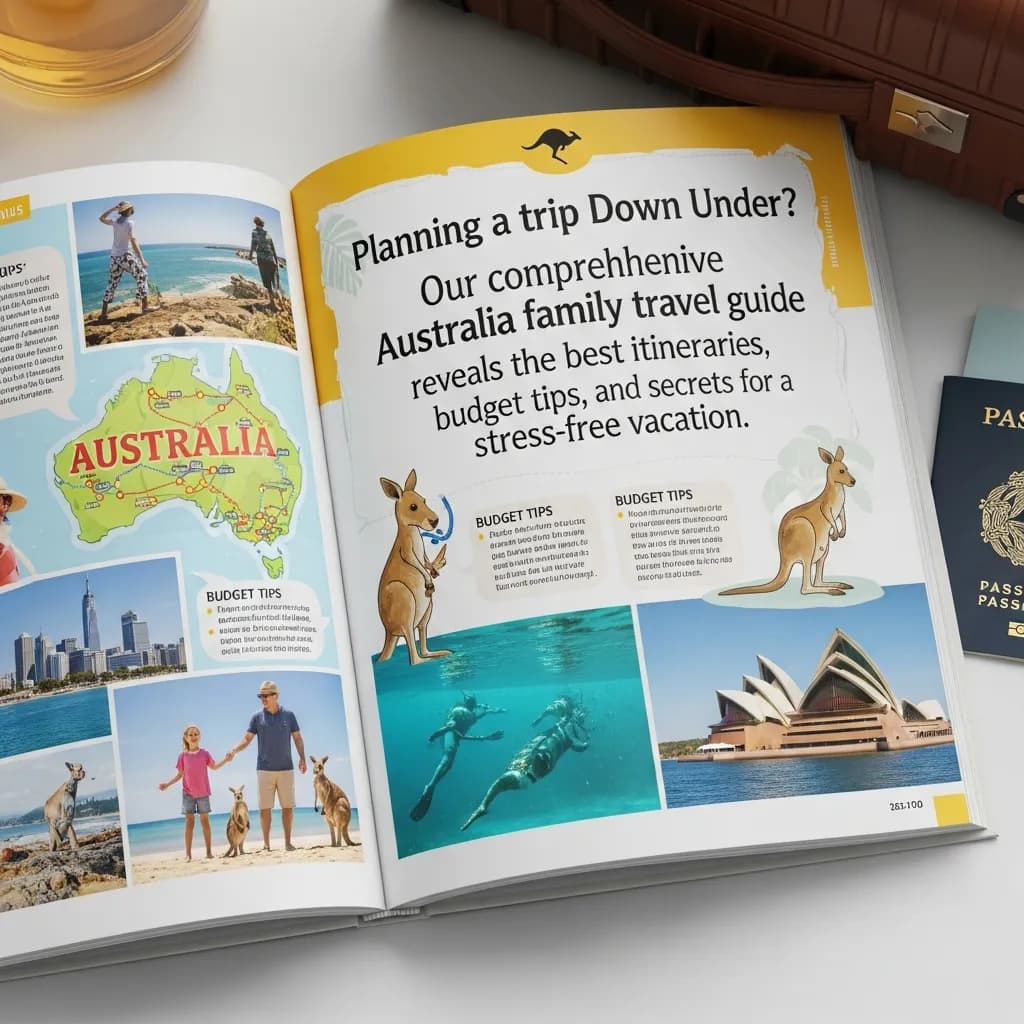
Australia Family Travel Guide
The Reality of Taking the Kids Down Under
Let’s be completely honest. The thought of packing up your kids, boarding a 14-hour flight, and navigating a country roughly the size of the United States is enough to make any parent's blood pressure spike. You are dealing with different time zones, extreme weather variations, and the logistical nightmare of keeping little ones entertained while you manage your remote work schedule.
But here is the secret that experienced digital nomad families know: Australia is arguably the most kid-friendly destination on the planet. From free public lagoon pools to world-class wildlife parks, the infrastructure here is practically built for parents.
To help you navigate this massive continent, we have put together this definitive Australia family travel guide. We know exactly how important it is to have the right, battle-tested information when you are balancing deadlines and diaper changes.
Whether you are planning a short holiday or a long-term digital nomad stint, this Australia family travel guide will serve as your roadmap. Let’s dive into the strategies, routes, and insider secrets that will transform your daunting trip into an unforgettable adventure.
Why Australia is the Ultimate Playground for Kids (and Parents)
Australia isn't just a country; it's a massive outdoor playground. When you are traveling with children, your priorities naturally shift. You need clean public restrooms, accessible medical care, reliable Wi-Fi, and spaces where kids can safely burn off their endless energy.
The magic of this country lies in its seamless blend of wild nature and modern convenience. You can spend your morning feeding kangaroos in a national park and your afternoon taking a Zoom call from a high-speed internet cafe in the city center.
Furthermore, the local culture is incredibly welcoming to children. Restaurants routinely offer high chairs and solid kids' menus, while local councils invest heavily in shaded, state-of-the-art playgrounds. For a digital nomad family, this means less time stressing over logistics and more time actually enjoying the journey.
Crafting the Perfect Family Trip to Australia Itinerary
Because the country is so vast, trying to "see it all" is the biggest mistake you can make. A rushed schedule leads to cranky kids and exhausted parents. Instead, building a focused family trip to australia itinerary is the key to maintaining your sanity.
For first-timers, the East Coast is usually the best starting point. A classic family trip to australia itinerary often begins in Sydney, moves up to the Gold Coast for theme parks and beaches, and finishes in Cairns for the Great Barrier Reef. This route offers a perfect mix of urban exploration and natural wonders, with plenty of short domestic flights or scenic driving routes available.
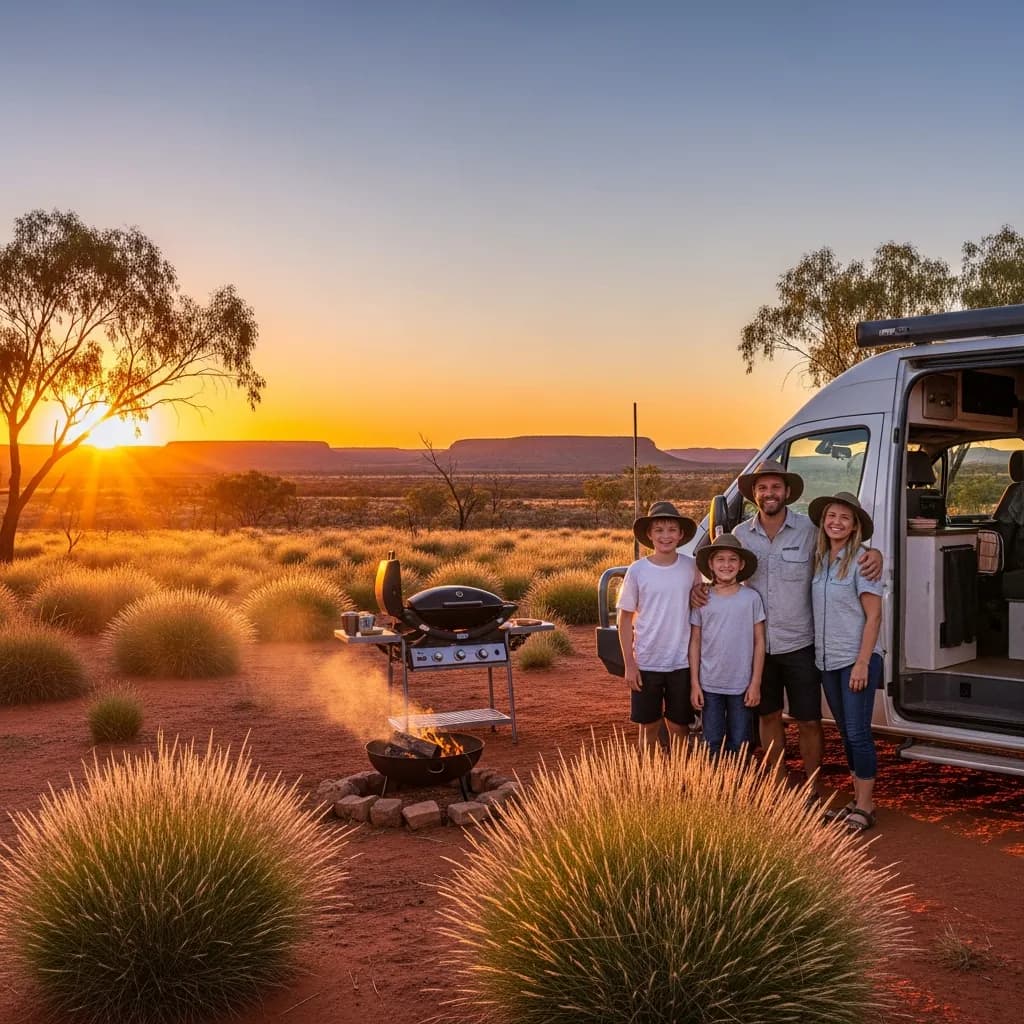
If you have more time—perhaps a month or two—renting a campervan to drive the Great Ocean Road or exploring the rugged beauty of Western Australia becomes a viable option. Slow travel is always the best approach when kids are involved.
This article is part of our comprehensive family travel series. Be sure to check out our Ultimate Guide to Family Travel in 2026 for a complete overview of global travel strategies.
Essential Preparation: What Every Digital Nomad Family Needs to Know
Preparation is the absolute foundation of a successful trip. The Australian border force is famously strict, so ensuring your visas (usually an ETA or eVisitor visa) are approved well before your flight is non-negotiable.
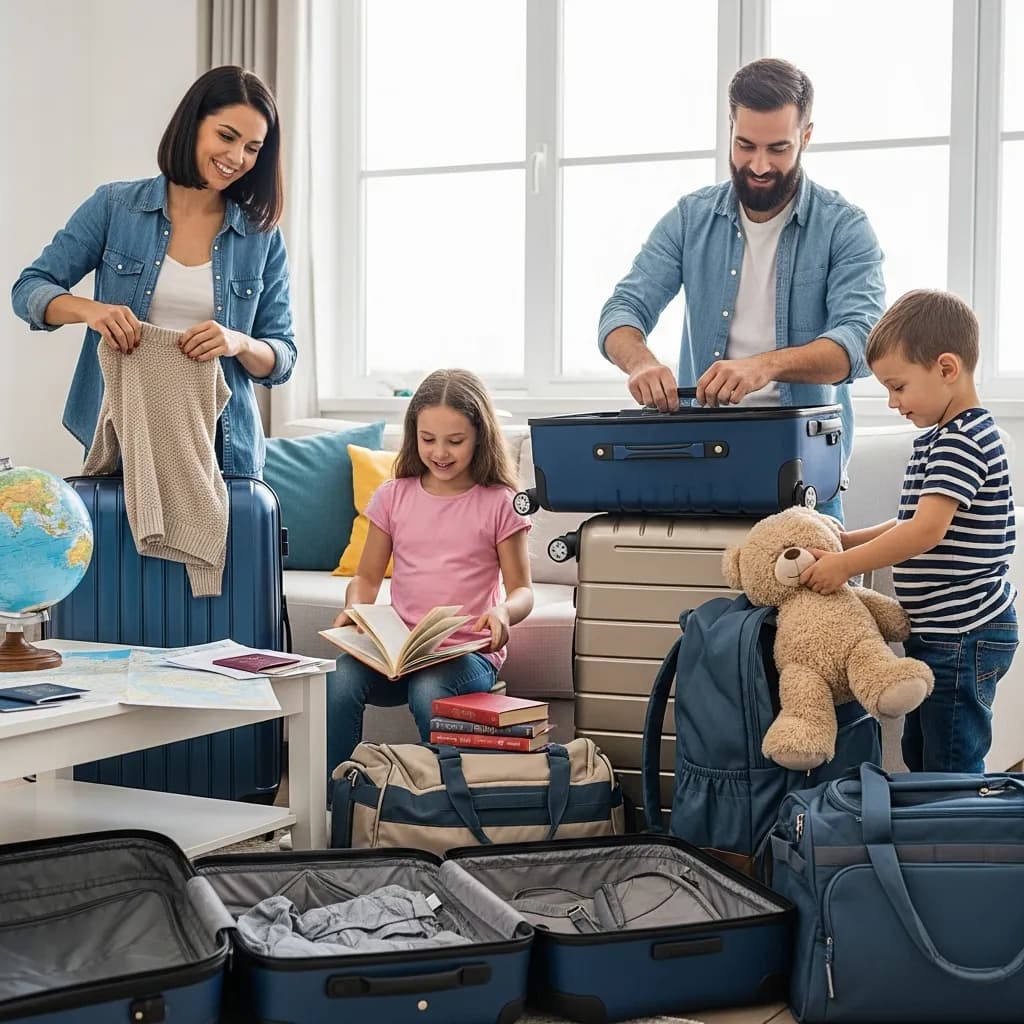
Another critical factor is the sun. The UV index in Australia is intense. Packing high-quality, reef-safe sunscreen, UPF 50+ rash guards, and wide-brimmed hats is mandatory. Do not rely on buying these at the last minute; having them ready in your day pack will save you from painful sunburns on day one.
From a financial perspective, Australia is not a cheap destination. As a remote-working family, you need to budget for accommodation, transport, and daily expenses carefully. If you want a deep dive into the financial realities of this lifestyle, we highly recommend reading: How Much Does It Cost to Travel the World as a Family?.
Surviving the Long Haul: Making the Flight Feel Like a Family Trip Movie
Let’s address the elephant in the room: the flight. Getting to Australia usually involves crossing oceans and multiple time zones. You want this transit experience to feel like a heartwarming, adventurous Family trip movie, not a chaotic disaster documentary.
To achieve that cinematic, stress-free vibe, you need to throw some of your normal parenting rules out the window. Screen time limits? Forget them. Your goal is survival and comfort.
Here are a few tricks to keep the peace:
- The "New Toy" Strategy: Wrap a few small, inexpensive toys and let your kids open one every few hours.
- Snack Rations: Bring more snacks than you think is humanly possible to consume. Avoid heavy sugars; stick to proteins and complex carbs to prevent energy crashes.
- Comfort is King: Invest in inflatable footrests (check if your airline allows them) so toddlers can lie flat.
When you plan the flight with military precision, the journey actually becomes a fun bonding experience—just like the opening montage of a great Family trip movie.
Top Kid-Friendly Destinations Down Under
No Australia family travel guide would be complete without highlighting the absolute best spots for your tribe.
1. Sydney (New South Wales) Sydney is brilliant for families. Take the ferry across the harbor to Taronga Zoo—the boat ride alone is an adventure for toddlers. The Darling Harbour precinct features an incredible playground with water features, right next to the Sea Life Aquarium.
2. The Gold Coast (Queensland) Often called the theme park capital of Australia, this area is pure joy for kids. Beyond the parks, the beaches are patrolled by lifeguards, making it safe for little swimmers. Plus, the cafe culture here means parents can always find a fantastic flat white and reliable Wi-Fi.
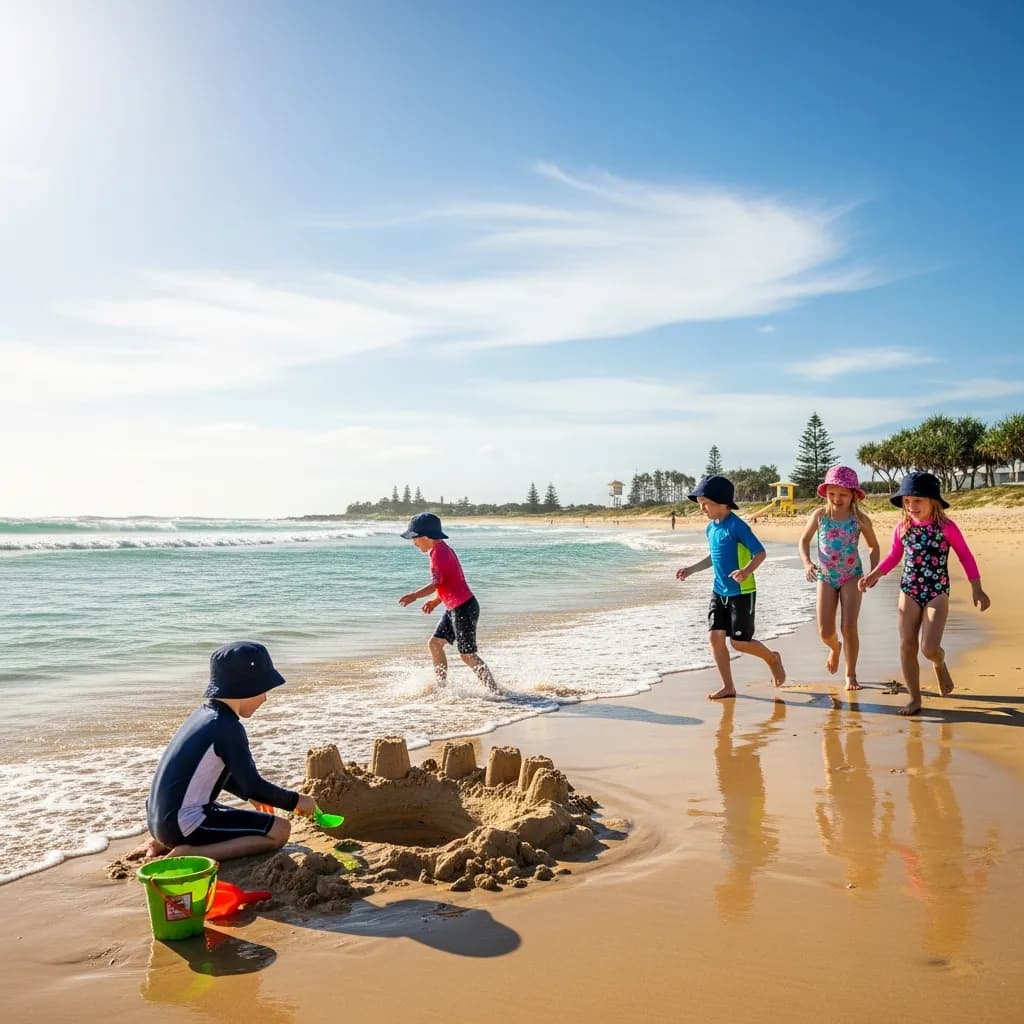
3. Cairns and Port Douglas (Tropical North Queensland) This is your gateway to the Great Barrier Reef and the Daintree Rainforest. Many reef tour operators offer glass-bottom boats and semi-submersibles, meaning even babies and toddlers who can't snorkel can still witness the vibrant marine life.
Comparing Global Destinations: Where Does Australia Stand?
As a digital nomad family, you have the whole world at your fingertips. So, how does Australia compare to other popular hubs?
Australia wins heavily on safety, outdoor lifestyle, and infrastructure. However, it requires a larger budget compared to Southeast Asia. If you are debating between a tropical island vibe and a massive continental road trip, you might want to read our analysis: Is Bali Good for Family Travel?.
On the other hand, if you are looking for deep historical culture and walkable cities, Europe might be calling your name. For a contrasting perspective, check out the Best Cities in Europe for Family Travel.
Value Section: Budgeting, Tech, and Insider Nomad Tips
To truly master this Australia family travel guide, you need actionable insights that go beyond typical tourist advice. Here is the value-packed data you need to thrive.
Connectivity for Remote Work Do not rely solely on Airbnb Wi-Fi. Upon arrival, immediately buy a local SIM card. Telstra offers the widest coverage, especially if you plan to visit regional areas or national parks. Optus is a close second and often slightly cheaper. Buy a 5G data dongle so you can work seamlessly while the kids play at the beach.
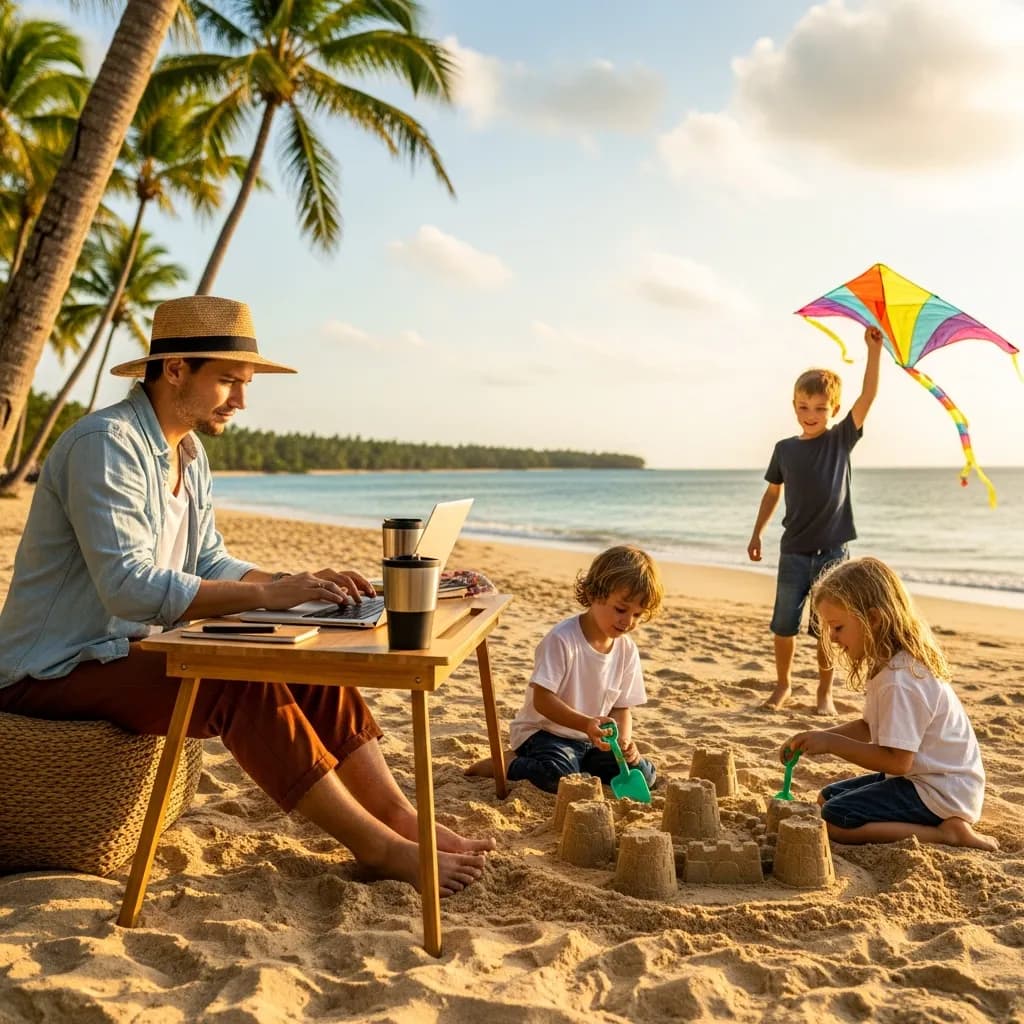
Hacking the High Costs Australia is expensive, but you can dramatically lower your daily spend:
- Supermarket Cooking: Coles and Woolworths are the main grocery giants. Rent accommodations with kitchens and cook your own meals. Eating out for a family of four can easily exceed $100 AUD per meal.
- Free Public Amenities: Australia excels at free public spaces. Brisbane’s South Bank, the Cairns Esplanade, and Darwin’s Waterfront all feature massive, free, lifeguard-patrolled lagoon pools.
- Campervan Relocations: If you are flexible, look into campervan relocation deals (like Imoova). Rental companies often rent out premium RVs for as little as $1 to $5 a day if you agree to drive them from one specific city to another within a set timeframe.
By leveraging these local secrets, your family can experience the absolute best of the country without draining your travel fund.
FAQ
What is the best time of year to visit Australia with kids? The best time depends on your destination. Spring (September to November) and Autumn (March to May) offer the most comfortable weather nationwide. If you are heading to the tropical north (Cairns), visit during the dry season (May to October) to avoid extreme humidity and marine stingers.
How long should a family trip to australia itinerary be? Given the flight time and jet lag, a minimum of two weeks is highly recommended. However, for digital nomad families, staying for 4 to 6 weeks allows for a much better balance of remote work, schooling, and slow travel exploration.
Is Australia safe for young children? Yes, it is incredibly safe. The healthcare system is world-class, tap water is safe to drink everywhere, and cities are very clean. While the wildlife has a fierce reputation, sticking to marked trails and swimming between the red and yellow flags at patrolled beaches mitigates almost all risks.
Do I need a car to get around? In major cities like Sydney and Melbourne, public transport is excellent and you do not need a car. However, if your Australia family travel guide plan includes exploring coastal towns, national parks, or the outback, renting a car or campervan is absolutely essential.
AdSense Placeholder (728x90 or 300x250)
Join Our Nomad Family
Get weekly tips on smart family travel, remote work strategies, and homeschooling resources delivered straight to your inbox.
We respect your privacy. Unsubscribe at any time.
Related Articles