How to Homeschool While Traveling: A Step-by-Step Guide
Reclaiming Education on the Road
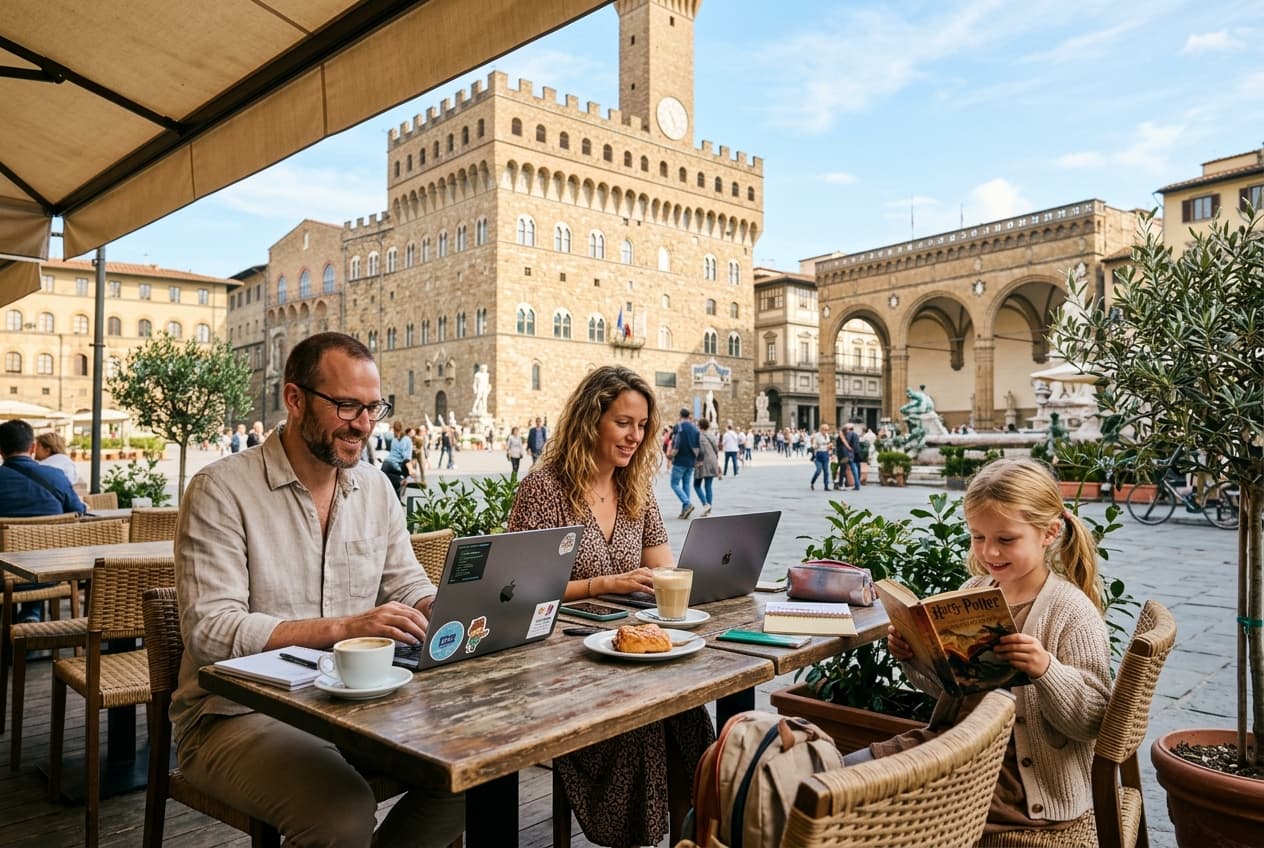
The idea of trading fluorescent classroom lights for the warm sunshine of a foreign cafe is incredibly appealing. For families adopting a location-independent lifestyle, the freedom to travel is often contingent on one major factor: how to educate the kids.
Fortunately, homeschooling while traveling (often referred to under the umbrella of worldschooling) has transformed from a radical experiment into a highly structured, manageable reality. You do not need a background in education or a suitcase full of textbooks. What you do need is a clear system.
This step-by-step guide breaks down exactly how to transition your children from a stationary school desk to a global learning adventure, ensuring they stay academically on track while gaining a world-class cultural perspective.
Step 1: Establish Legal Compliance and Domicile Rules
Before buying a curriculum, you must address the legalities. Educational regulations are tied to your legal residence (domicile), not where you happen to be traveling as a tourist.
- Identify Your Home State/Country Rules: If you are a US citizen, your homeschooling rules are governed by the state where you pay taxes, vote, and hold a driver’s license. States like Texas and Florida have very relaxed laws, while New York and Massachusetts require detailed quarterly portfolios.
- Set Up an Umbrella School (If Needed): In highly regulated states, enrolling in an "umbrella school" or an accredited online academy can bypass strict local reporting requirements.
- Understand International Visa Rules: As long as you travel on tourist visas or digital nomad visas, you generally remain subject to your home country's educational laws.
Step 2: Choose Your Educational Philosophy
One of the greatest benefits of homeschooling while traveling is the ability to customize your child's education. Most nomad families fall into one of three methodologies:
- Traditional Homeschooling (Curriculum-Based): You purchase a complete curriculum (like Calvert, Oak Meadow, or BookShark) and act as the primary teacher. This is excellent for families who want structured worksheets and clear checkpoints.
- Online Schooling (Instructor-Led): Your child enrolls in a digital school with virtual classrooms and teachers. For a detailed breakdown of these platforms, check out our guide on Online School Options for Traveling Families.
- Worldschooling (Experience-Based): This approach uses travel experiences, museums, local language courses, and nature as the primary textbook. It is highly flexible and aligns learning with the destinations you visit. Learn more about the foundational concepts in our Worldschooling Basics guide.
Step 3: Curate the Ultimate "Mobile Classroom"
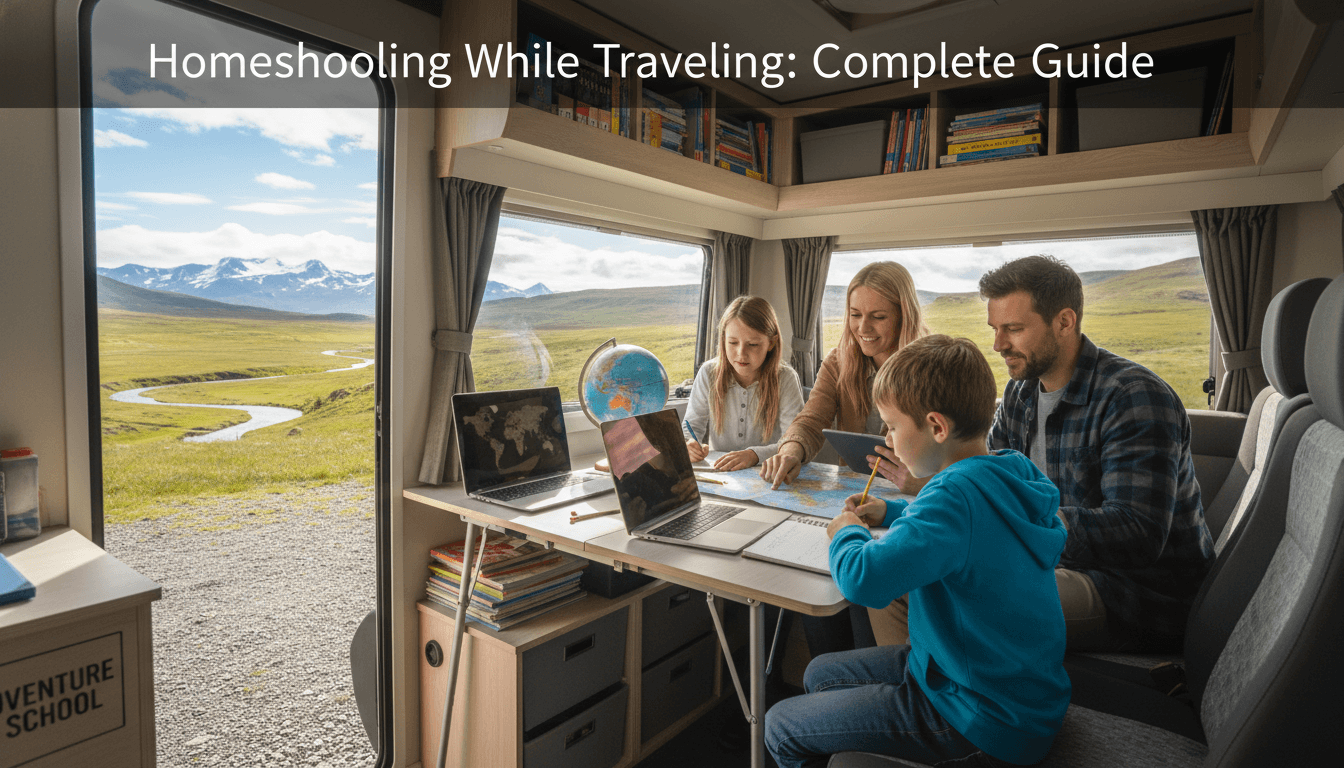
Space and weight are at a premium when you live out of carry-on bags. Your classroom needs to fit into a single backpack.
| Gear Category | Essential Item | Purpose | | :--- | :--- | :--- | | Hardware | Lightweight Tablet or Laptop | Accessing digital curriculum, portals, and writing. | | Audio | Active Noise-Canceling Headphones | Focusing in busy airports, trains, or cafes. | | Organization | Hard Shell Folder & Notebooks | Protecting physical worksheets, art projects, and travel journals. | | Connectivity | Portable Wi-Fi Hotspot | Ensuring access to online school portals during transit. |
Pro Tip: Transition to a paperless workflow. Use scanner apps (like Adobe Scan) to digitize physical work and keep a digital portfolio in Google Drive or Dropbox.
Step 4: Establish a Travel-Friendly Routine
The fastest way to fail at homeschooling while traveling is trying to replicate a 9-to-3 school day. In a one-on-one or self-paced environment, children can complete equivalent academic workloads in just 2 to 3 hours.
- The Power Hour Method: Complete core subjects (Math and Language Arts) first thing in the morning. When the brain is fresh, study time is halved.
- Create Anchors, Not Rigid Schedules: Set fixed habits rather than fixed times. For example: "We do math after breakfast, wherever we are," rather than "We start math at 8:30 AM." For templates on how to coordinate work, schooling, and travel, read our breakdown of the Daily Routine of a Traveling Family.
- Incorporate "Travel Days" as School Breaks: Do not try to force worksheets on travel days. Use flights and train rides for reading, spelling games, or journaling.
Step 5: Leverage Your Destination as a Living Textbook
This is where worldschooling shines. Instead of memorizing dates from a textbook, align your lessons with the local geography and history.
- Historical Alignment: If you are visiting Rome, study the Roman Empire. Read mythology, visit the forum, and write about gladiator history.
- Practical Sciences: Use snorkeling excursions in Southeast Asia to teach marine biology, or hikes in the Swiss Alps to teach glaciology and geology.
- Economics and Language: Have children calculate currency exchanges, manage a small portion of the travel budget, and learn basic phrases to order food at local markets.
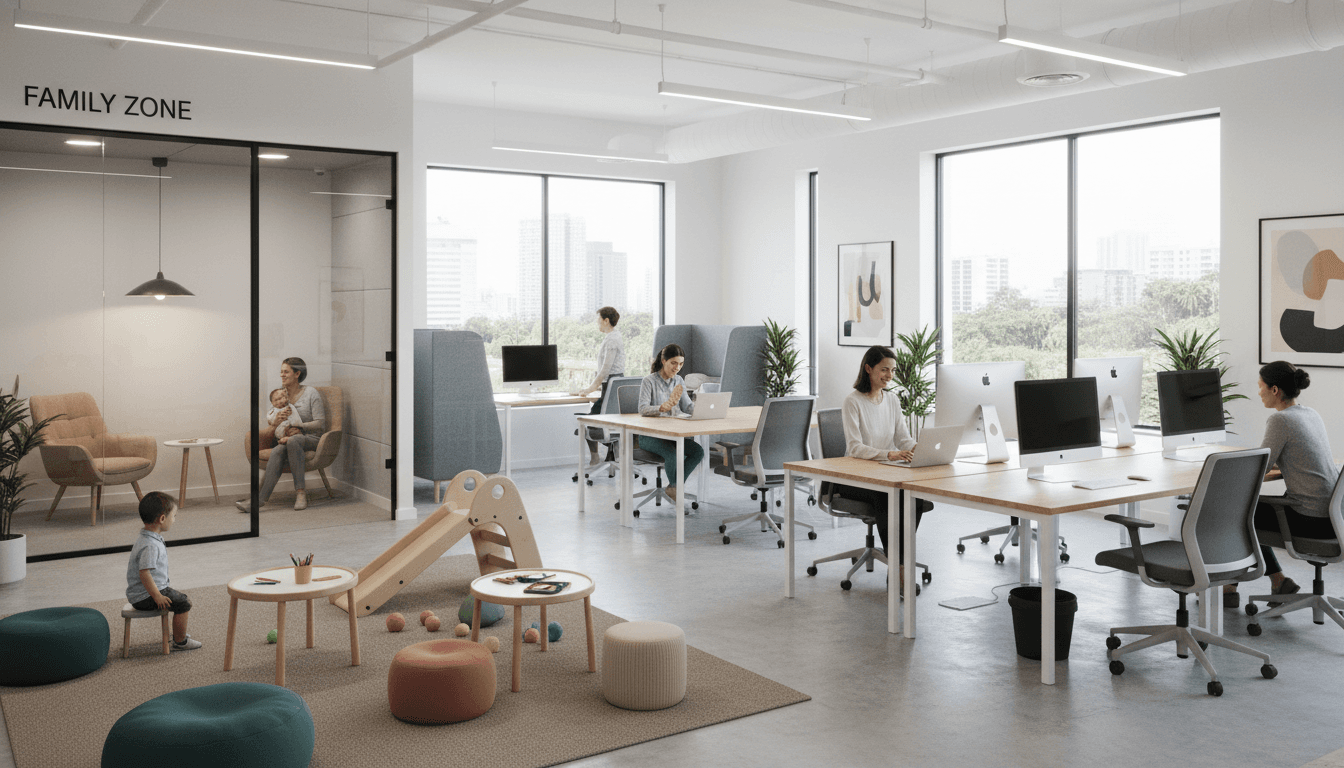
If you are wondering whether kids can truly adapt to this lifestyle long-term, read our deep-dive analysis: Can You Be a Digital Nomad With Kids?.
Step 6: Solve the Socialization Puzzle
The most common concern for new nomadic parents is socialization. However, worldschooling children often develop superior communication skills because they regularly interact with people of different ages, backgrounds, and languages.
To build consistent peer relationships:
- Join Worldschooling Hubs: Communities like Boundless Life, Deliberate Life, or local pop-up hubs allow families to co-locate for 1-3 months.
- Leverage Local Classes: Enroll your children in local art classes, soccer leagues, or surf schools. This builds cultural immersion and physical activity.
- Maintain Digital Friendships: Set aside regular time for kids to video call friends from home or other nomadic children they have met on the road.
FAQ
Is homeschooling while traveling legal internationally? Yes, for the vast majority of tourists and digital nomads. Compulsory education laws generally apply to permanent residents of a country. As long as you are traveling on tourist or digital nomad visas, you remain subject to the education laws of your home state or country of citizenship.
How do we handle high school and college preparation? Nomadic high schoolers can utilize accredited online high schools, take AP classes online, and prepare for college entrance exams (SAT/ACT) from anywhere. In fact, colleges often value the unique essays, independence, and global perspective that travelynn students bring to their applications.
What if my child falls behind academically? Because of the one-on-one attention, traveling parents can instantly spot learning gaps. If a child struggles with a math concept, you can slow down and focus on it. If they excel, they can speed ahead. The instruction is highly customized, reducing the likelihood of falling behind.
Final Thoughts: Taking the Leap
Making the transition to homeschooling while traveling is not about having all the answers upfront. It is about embracing flexibility, learning alongside your children, and utilizing the world as your classroom.
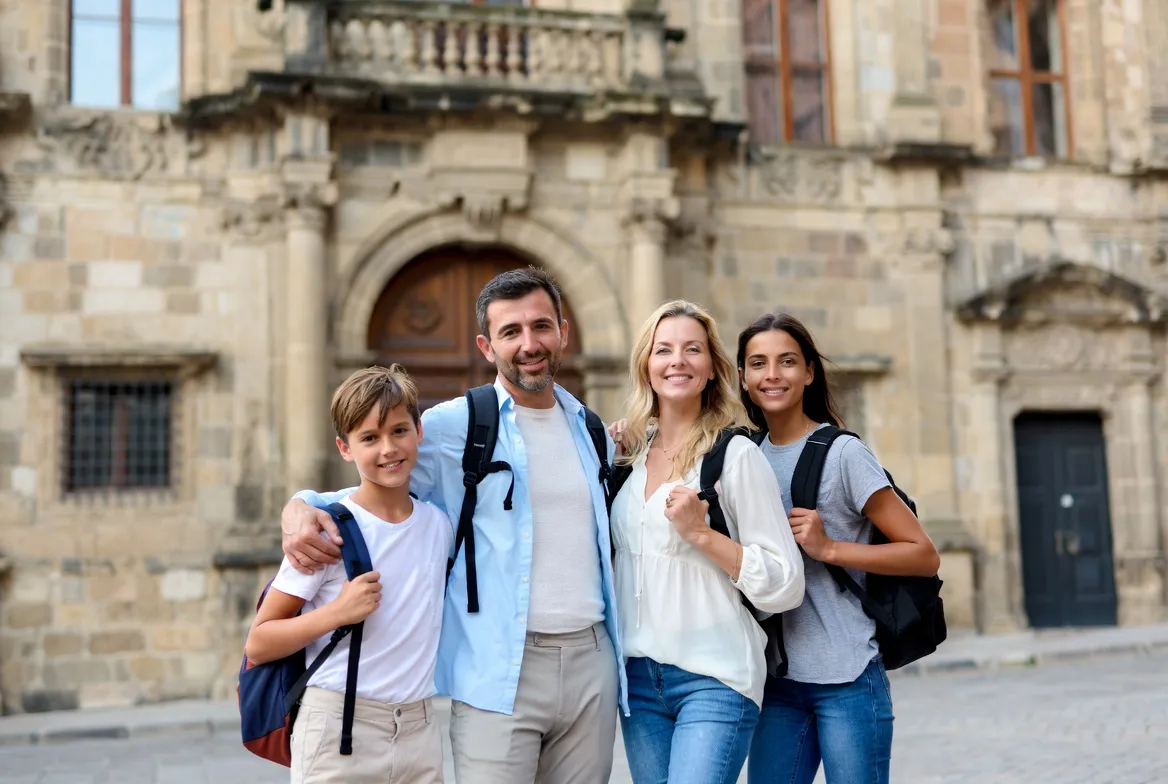
By starting with a solid legal foundation, choosing a philosophy that matches your family's style, and structuring your days around experience, you can give your children an education that textbooks simply cannot replicate. For a broader overview of starting your global journey, check out our Ultimate Guide to Family Travel in 2026. The world is ready to teach—are you ready to travel?
AdSense Placeholder (728x90 or 300x250)
Join Our Nomad Family
Get weekly tips on smart family travel, remote work strategies, and homeschooling resources delivered straight to your inbox.
We respect your privacy. Unsubscribe at any time.
Related Articles