Best Noise-Canceling Headphones for Kids
The Ultimate Quest for Quiet: Why Kids Need Quality Audio Gear
If you have ever spent six hours in a pressurized aluminum tube with a crying toddler or tried to help your child focus on a Zoom class while the neighbor is mowing the lawn, you know that silence isn't just golden—it’s a necessity. As a digital nomad family, we have learned the hard way that the right gear can make or break a trip. Finding the best noise-canceling headphones for kids isn't just about giving them a way to watch cartoons; it’s about protecting their developing hearing and creating a "focus bubble" in an increasingly loud world.
This article is part of our comprehensive family travel series. Be sure to check out our Ultimate Guide to Family Travel in 2026 for a complete overview of how we navigate the world with littles in tow.
When we first started traveling, we thought any old pair of earbuds would do. We were wrong. Children have unique anatomical needs—their ear canals are smaller, their skin is more sensitive, and most importantly, they don't always know when the volume is at a dangerous level. Today, we’re diving deep into the world of active noise cancellation (ANC) and volume-limiting technology to help you choose the perfect pair.
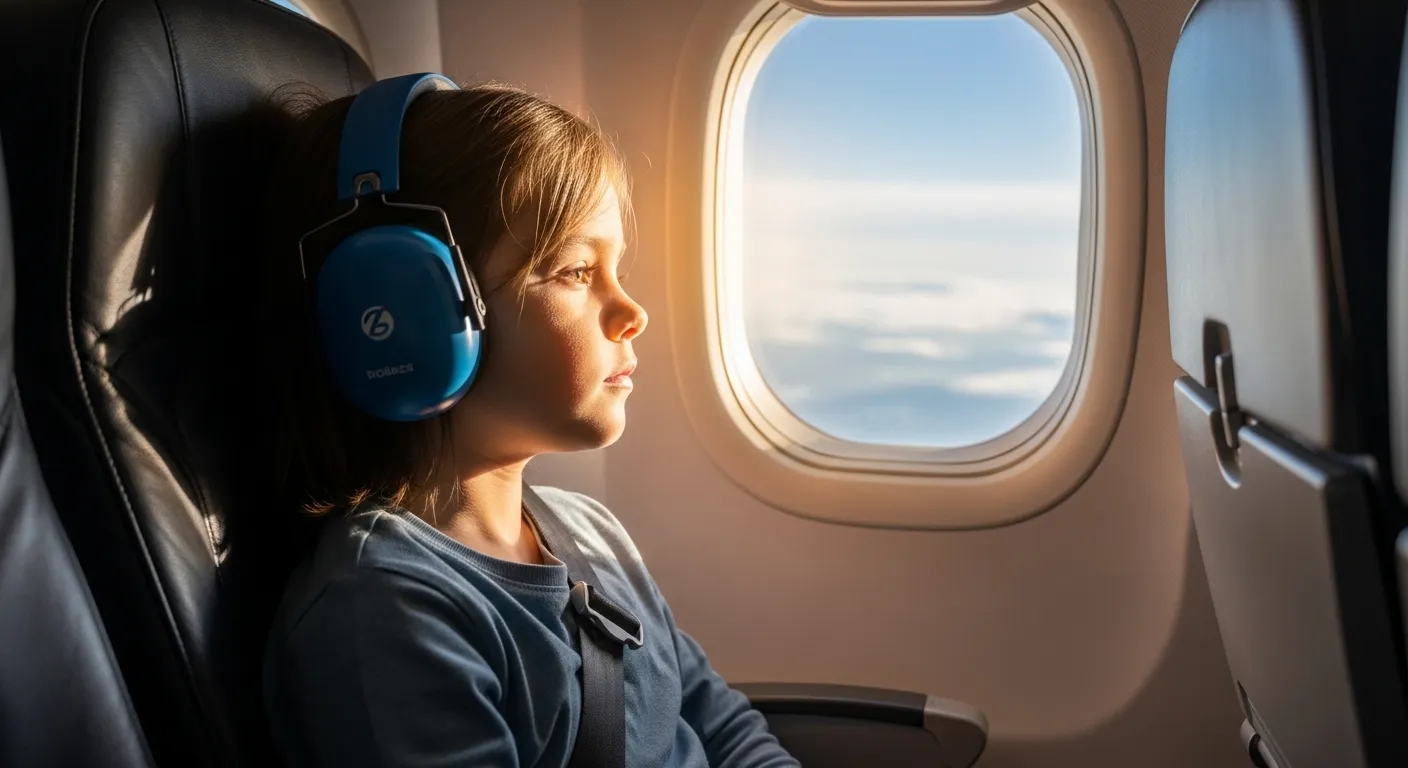
Why Active Noise Cancellation (ANC) Matters for Children
Most people think noise cancellation is just for blocking out the drone of airplane engines. While that is a massive benefit, the true value of the best noise-canceling headphones for kids lies in volume control.
In a noisy environment, a child will naturally turn up the volume of their tablet or movie to "overpower" the background noise. This often leads to decibel levels that can cause permanent hearing damage. By using ANC technology, the headphones "cancel" the background drone, allowing the child to hear their audio clearly at a much lower, safer volume.
For parents, this means fewer "Can you turn that down?" arguments and more peace of mind. Whether you are navigating a busy terminal or a crowded cafe, ANC provides a consistent auditory environment that can be particularly soothing for children with sensory processing sensitivities.
Safety First: The 85dB Gold Standard
Before we jump into the top picks, we must discuss the "85dB Rule." The World Health Organization and the CDC recommend that noise levels for children remain below 85 decibels (dB) to prevent noise-induced hearing loss.
The best noise-canceling headphones for kids almost always include a built-in volume limiter. This is a non-negotiable feature. Even if your child cranks the volume slider on their iPad to the max, the internal circuitry of the headphones will cap the output. When shopping, look for "Kid-Safe" certifications and internal governors that ensure the audio never hits the "danger zone."
Best Kid Headphones for School and Remote Learning
With the rise of digital classrooms, many parents are searching for the best kid headphones for school. Unlike travel headphones, school-focused gear needs a high-quality microphone.
- The Boom Mic Advantage: For younger students, a detachable boom microphone is often better than an integrated one. It sits closer to the mouth, filtering out the sound of siblings playing in the background.
- Durability and "Twistability": School headphones live in backpacks. They get sat on, stepped on, and shoved into lockers. The best models use flexible, BPA-free plastics that can literally be twisted into a pretzel without snapping.
- Wired vs. Wireless: While wireless is great for mobility, many teachers prefer wired connections for school use to avoid "my battery died" or Bluetooth pairing issues in a classroom of 30 kids.
Related Resources in Gear
To further help you on your journey of equipping your mini-travelers, we highly recommend reading:
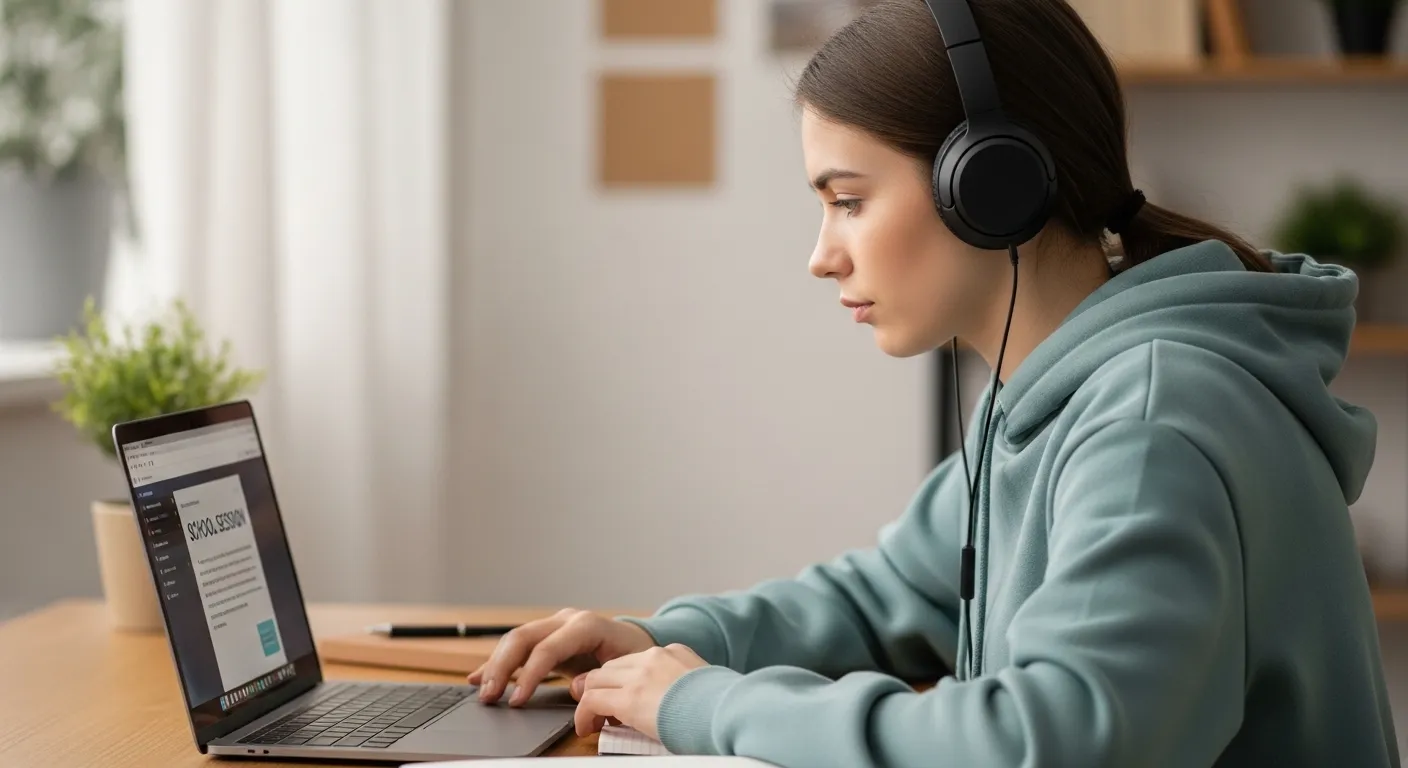
Top Picks: Best Noise Cancelling Over Ear Headphones for Older Kids
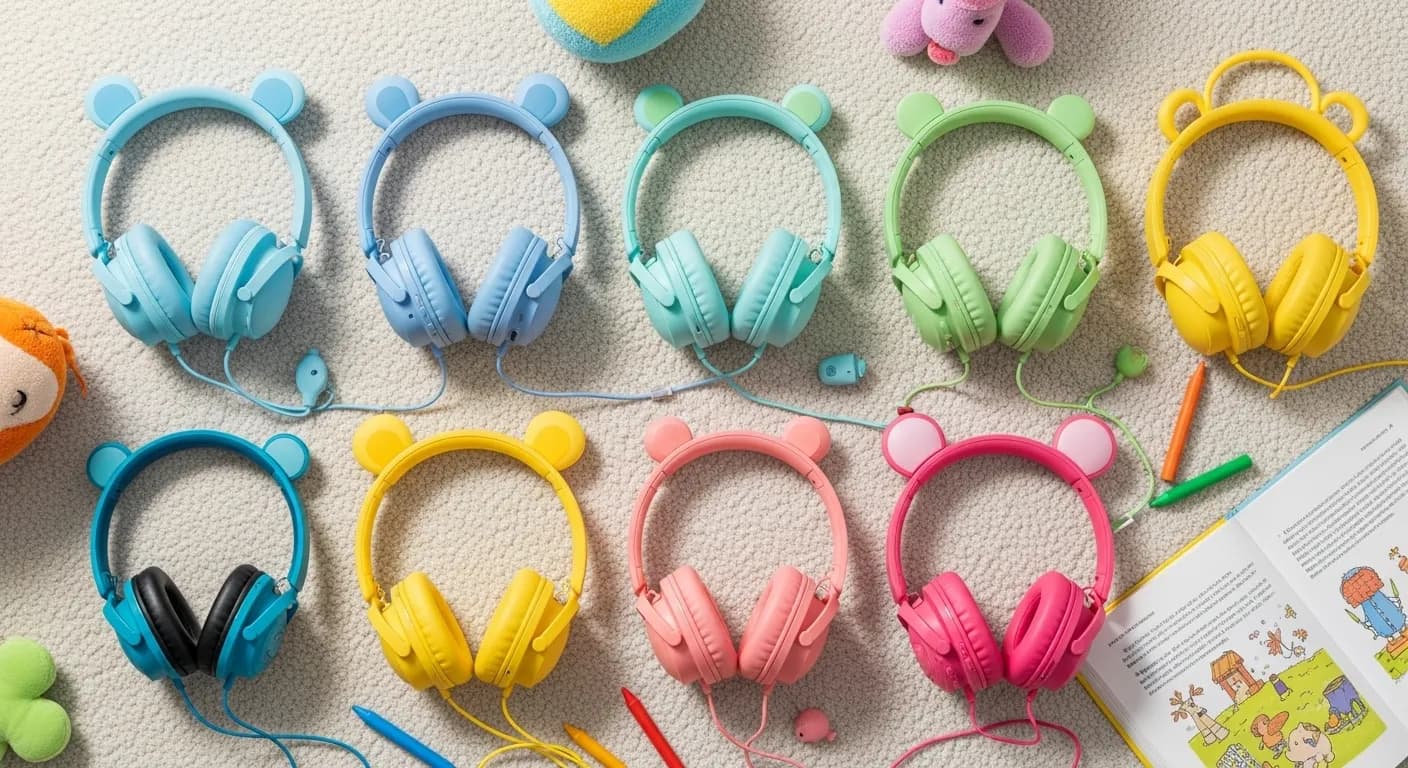
As children grow into their "tween" years, they often outgrow the bright, "toy-like" headphones designed for toddlers. They want something that looks "cool" but still fits their smaller heads better than adult models. This is where the best noise cancelling over ear headphones for older kids come into play.
Over-ear models (circumaural) provide a physical seal around the ear, which adds a layer of passive noise isolation even before the ANC is turned on. This dual-layer protection is the gold standard for long-haul flights or high-stress environments.
- Puro Sound Labs PuroPro: Often cited by experts as the king of kid-safe audio, these offer studio-grade sound quality while strictly adhering to the 85dB limit.
- Sony WH-CH720N: While technically an "adult" model, its lightweight frame and adjustable headband make it a favorite for teenagers who want professional-grade ANC.
- JBL Jr460NC: A perfect middle ground that offers the signature JBL bass (limited for safety) and effective active noise cancellation in colors that appeal to older kids.
Comfort is King: Materials and Ergonomics
You can buy the most expensive headphones on the market, but if they pinch your child's ears or make their head sweat, they won't wear them. When evaluating the best noise-canceling headphones for kids, pay close attention to the following:
1. Earpad Material
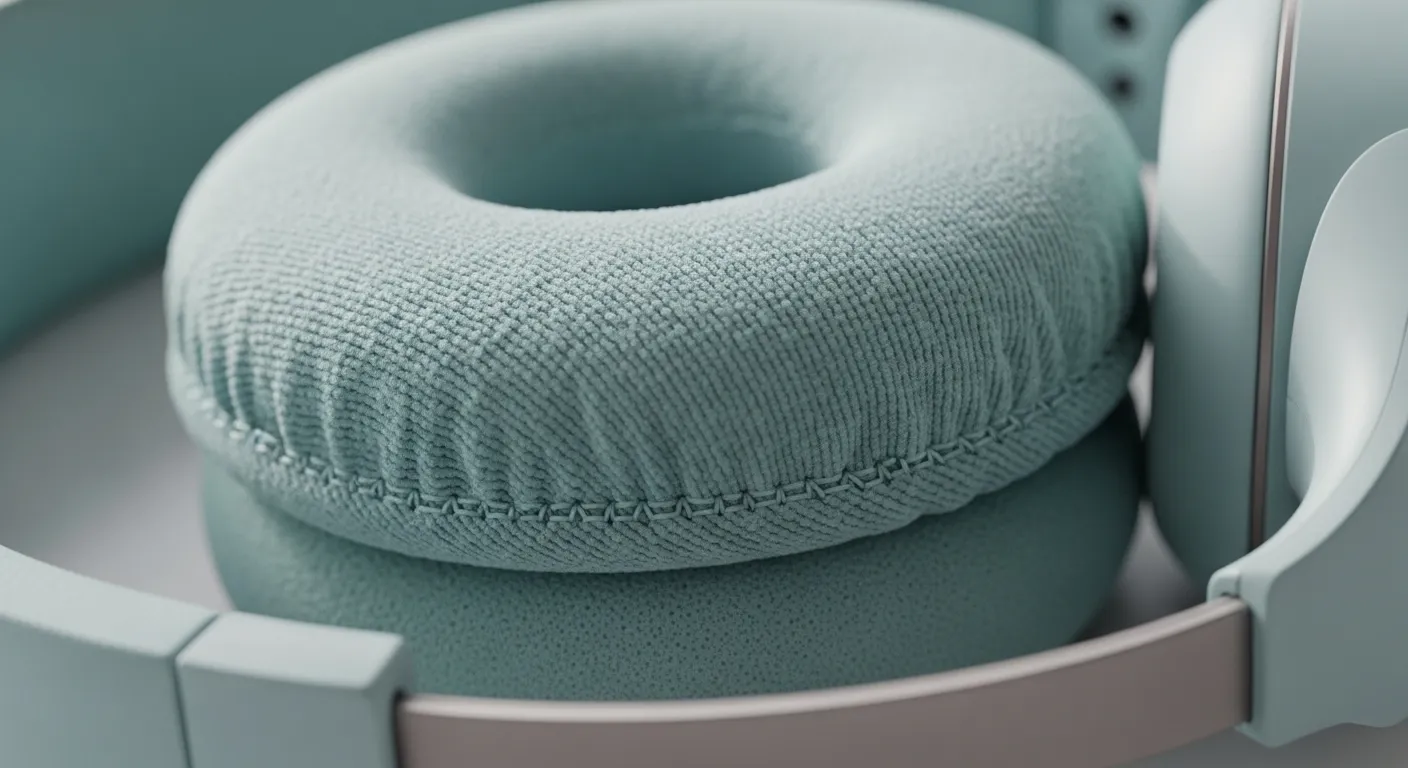
Look for protein leather or high-quality memory foam. These materials are breathable and soft. For kids with skin sensitivities, avoid cheap plastic coverings that can cause "ear sweat" and itching after 30 minutes of use.
2. Weight Distribution
A child’s neck is not as strong as an adult’s. Heavy headphones can lead to poor posture and neck strain. The goal is to find a pair that weighs less than 250 grams while still housing a battery large enough for ANC features.
3. Headband Adjustability
Kids grow fast. A headband that fits perfectly in June might be too tight by December. Look for "click-stop" adjustments that stay in place once set.
Value Section: Pro-Tips for Longevity and Maintenance
Investing $100+ in a pair of headphones for a child can feel risky. Here is how we make our gear last through years of full-time travel:
- The Hard Case Rule: Never throw headphones directly into a backpack. Always use a hardshell carrying case. If the headphones didn't come with one, buy a universal one for $10. It will save you $100 in the long run.
- Daisy Chaining: If you have two kids, look for headphones with a "SharePort" or "BuddyJack." This allows one child to plug their headphones into the other's, so they can watch the same movie on one tablet.
- Battery Management: ANC requires power. If the battery dies, the noise-canceling stops working. Teach your kids to turn off the ANC switch when they are done. Better yet, look for models with an "Auto-Off" feature.
Exploring Other Aspects of Family Travel
If you're looking to expand your knowledge beyond gear and want to see how we budget for these adventures, you might also find this useful:
The Difference Between Passive and Active Noise Cancellation
It is a common mistake to confuse these two. Passive Noise Cancellation (PNC) is basically like putting your hands over your ears. It uses heavy padding to block out sound. Every over-ear headphone has some level of PNC.
Active Noise Cancellation (ANC) is much more advanced. It uses internal microphones to "listen" to outside noise and then creates an "anti-noise" sound wave to cancel it out. For low-frequency sounds like the hum of a jet engine or a bus, ANC is vastly superior. When searching for the best noise-canceling headphones for kids, ensure the product description explicitly mentions "Active" technology if you are planning to use them for travel.
FAQ
1. Are noise-canceling headphones safe for toddlers?
Yes, as long as they have a volume limiter set to 85dB. However, toddlers should always be supervised while wearing headphones to ensure the headband isn't too tight and that they can still hear important ambient sounds if necessary.
2. Can my child use these for gaming?
Absolutely. Many of the best noise-canceling headphones for kids are compatible with Nintendo Switch, iPads, and laptops. If they need to chat with friends, look for a model with a built-in or detachable microphone.
3. How long does the battery typically last on ANC headphones?
Most modern kids' ANC headphones offer between 20 to 35 hours of battery life. Keep in mind that using ANC drains the battery faster than using them in standard Bluetooth mode.
4. Do I really need to spend more than $50?
While there are budget options, the best kid headphones for school and travel that actually feature Active noise cancellation usually start around $60-$80. Cheaper models often only offer passive isolation, which isn't as effective on airplanes.
5. Can these headphones be used with a wire if the battery dies?
Most premium models include a 3.5mm backup cable. This is a lifesaver on long flights when you forget to charge the device overnight.
Final Thoughts
Choosing the best noise-canceling headphones for kids is an investment in your child’s health and your own sanity. By prioritizing volume limiting, comfort, and active noise cancellation technology, you create a better environment for learning and a more peaceful experience for travel. Remember to look for durability and a good warranty—because we all know that kids will be kids, no matter how "premium" the gear is!
AdSense Placeholder (728x90 or 300x250)
Join Our Nomad Family
Get weekly tips on smart family travel, remote work strategies, and homeschooling resources delivered straight to your inbox.
We respect your privacy. Unsubscribe at any time.
Related Articles