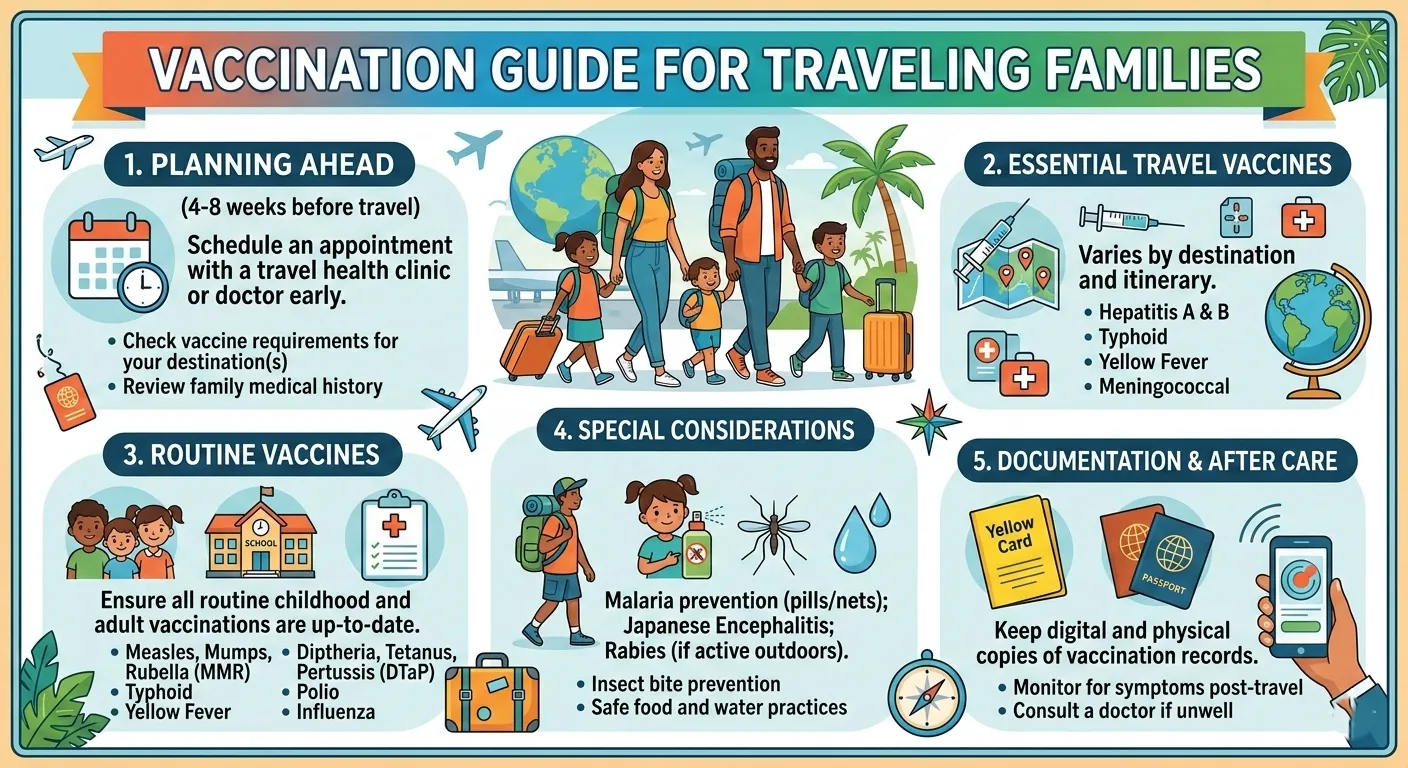
Vaccination Guide for Traveling Families
The Hidden Reality of Global Family Travel
There is a specific kind of anxiety that hits you when you’re standing in a bustling night market in Bangkok or a remote village in the Andes with your children. You see the vibrant colors and smell the incredible food, but a small voice in the back of your head whispers about tropical diseases and contaminated water. As a digital nomad family, we’ve lived through that tension. We know that the dream of world-schooling and location independence only works if your "team" is healthy.
Prioritizing your child's immunity isn't just a bureaucratic checkbox; it is the foundation of a stress-free adventure. This vaccination guide for traveling families is designed to bridge the gap between medical jargon and the practical realities of life on the road. Whether you are planning a short holiday or a multi-year nomadic journey, understanding the "what, when, and where" of travel medicine is your first step toward true freedom.
This article is part of our comprehensive family travel series. Be sure to check out our Ultimate Guide to Family Travel in 2026 for a complete overview.

Why a Vaccination Guide for Traveling Families is Essential in 2026
The world is more accessible than ever, but global health landscapes are constantly shifting. In 2026, we are seeing a resurgence of certain preventable diseases in popular tourist hubs. What might be a mild stomach bug for an adult can quickly escalate into a medical emergency for a toddler.
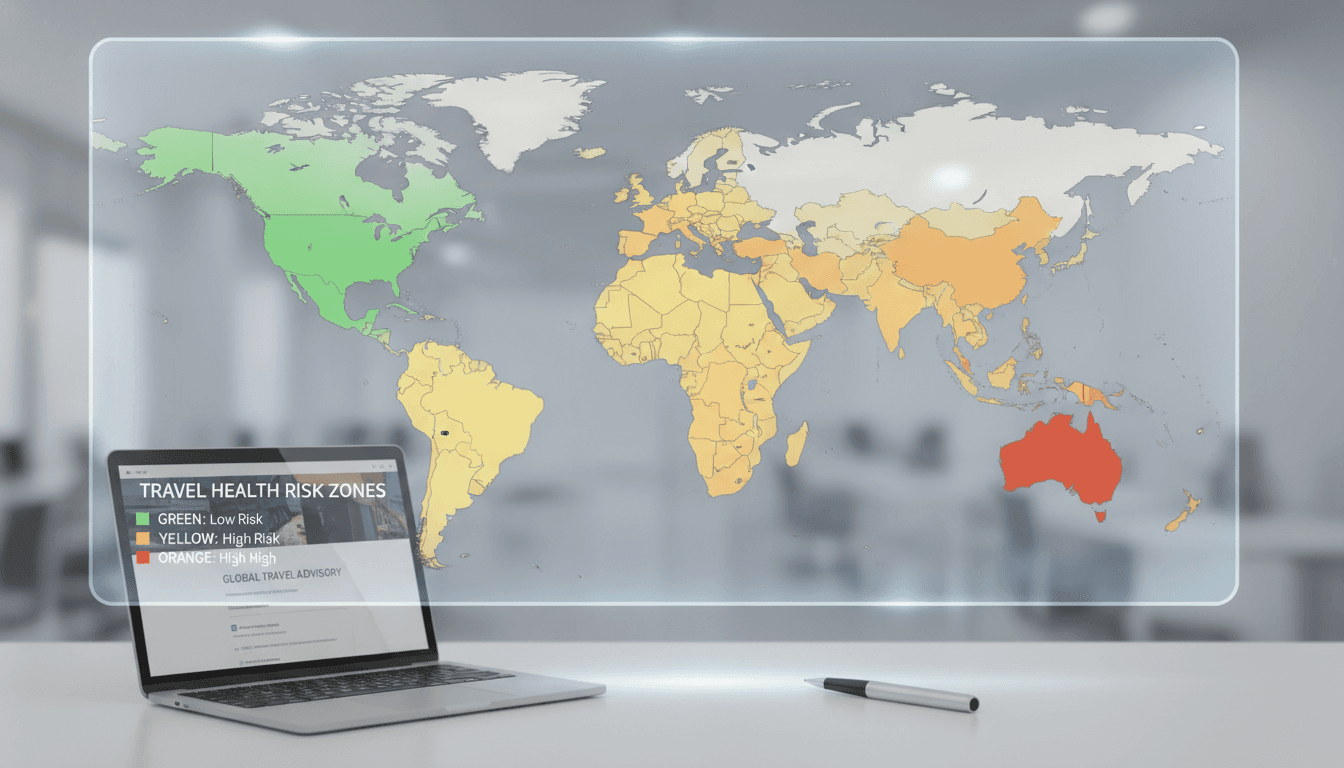
A proper vaccination guide for traveling families does more than list shots; it helps you assess risk based on your specific itinerary. Are you staying in five-star resorts, or are you backpacking through rural areas? The answer changes your medical needs significantly. Immunity takes time to build, and some vaccines require multiple doses spaced weeks apart. If you wait until the week before your flight, you’re already too late.
When to Start Your Family’s Vaccination Journey
The "Golden Rule" of travel health is to start your research at least 8 to 12 weeks before departure. This timeframe is crucial for several reasons:
- Primary Series Completion: Many vaccines, like Hepatitis B or Rabies, require three doses over a month or more.
- Immune Response: Your body doesn't become immune the moment the needle leaves your skin. It often takes 10–14 days for the vaccine to become effective.
- Availability: Certain specialized vaccines, such as Yellow Fever, are only stocked at registered clinics and can occasionally face shortages.
If you are a digital nomad family moving frequently, you must track these dates digitally. A missed booster dose can sometimes mean starting the entire series over again, which is a logistical nightmare when you’re navigating a new country every month.
Where to Get Protected: Boots vs. Superdrug vs. Private Clinics
For families based in or passing through the UK, high-street pharmacies have revolutionized access to travel medicine. Instead of waiting weeks for a GP appointment, you can often book travel vaccinations online with ease.
Boots Travel Vaccines
Boots travel vaccines are a popular choice due to the sheer number of locations available. Their clinicians provide a full consultation, assessing your destination and your children's medical history. They are particularly good for standard shots like Typhoid and Tetanus.
Superdrug Travel Vaccinations
On the other hand, Superdrug travel vaccinations are often praised for their competitive pricing and ease of use. Their online booking portal is intuitive, making it simple to book travel vaccinations for the entire family in one time slot.
Regardless of which provider you choose, always ensure they provide you with an International Certificate of Vaccination or Prophylaxis (ICVP), especially if you are traveling to regions where Yellow Fever vaccination is a mandatory entry requirement.
Essential Vaccines Every Traveling Family Should Consider
While every child should be up-to-date on their routine childhood immunizations (MMR, Polio, DTaP), travel-specific vaccines offer an extra layer of defense. This vaccination guide for traveling families highlights the most common requirements:
- Hepatitis A: Transmitted through contaminated food and water. It is a "must-have" for almost all developing regions.
- Typhoid: Also food/water-borne. While a vaccine exists, it is only about 50-80% effective, so "boil it, cook it, peel it, or forget it" still applies.
- Rabies: For adventurous families or those visiting areas with stray animals. While it doesn't eliminate the need for treatment after a bite, it simplifies the process and buys you precious time to reach a hospital.
- Japanese Encephalitis: Recommended if you are spending extended time in rural Asia, especially near rice paddies or pig farms.
Related Resources in Planning
To further help you on your journey, we highly recommend reading:
Navigating the Logistics: How to Book Travel Vaccinations
The process of getting the family ready shouldn't feel like a military operation. To streamline the experience, follow these steps:
- Audit Your Records: Before you book travel vaccinations, gather the "Red Books" or digital health records for all family members.
- Consult the Experts: Use services like Boots travel vaccines or your local health department to get a personalized risk assessment.
- Schedule in Batches: If possible, get the whole family vaccinated at the same time. This ensures everyone's booster dates align.
- Budget for the Cost: Travel vaccines are rarely covered by standard insurance or the NHS. Budgeting for Superdrug travel vaccinations or private clinic fees is a necessary part of your travel expenses.
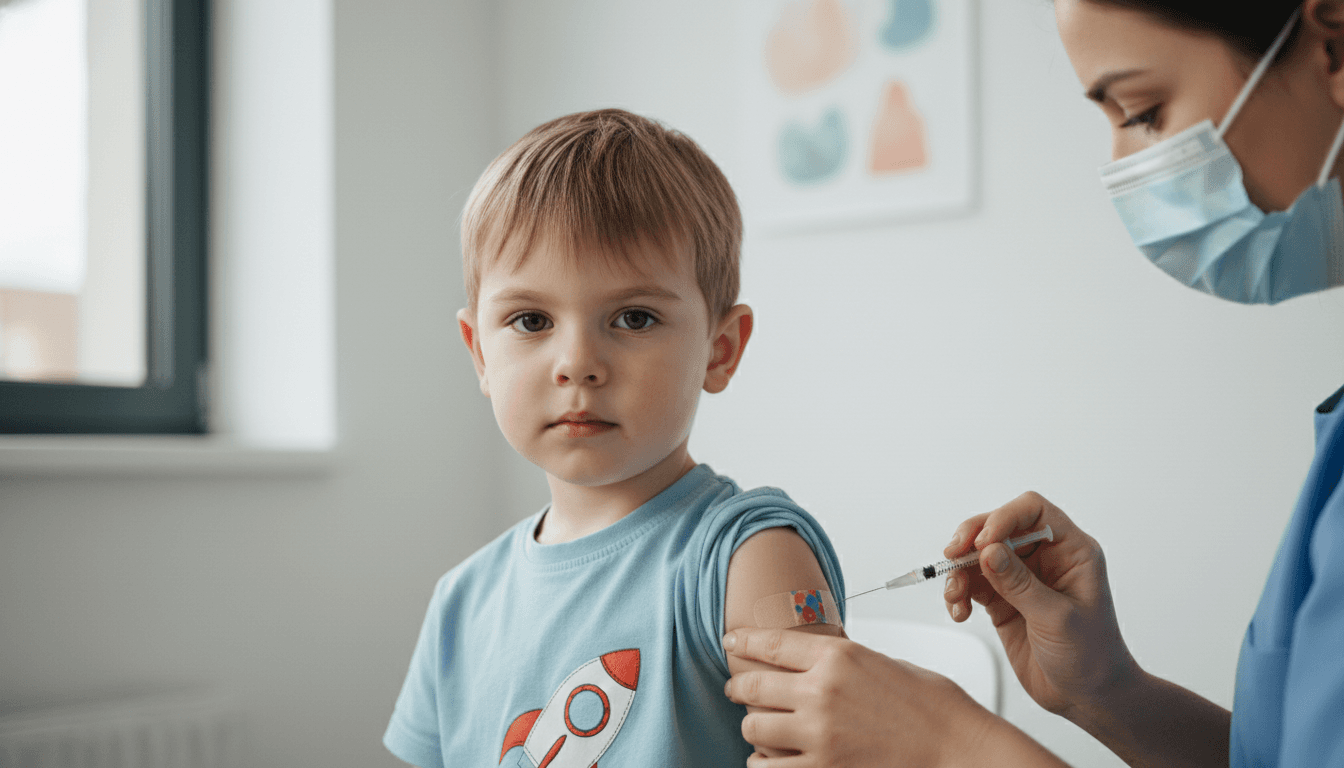
Managing Side Effects and "Needle Phobia" in Kids
Let’s be honest: no child enjoys getting shots. Part of a successful vaccination guide for traveling families is managing the emotional and physical aftermath.
- Honesty is Policy: Don't tell your child "it won't hurt." Instead, say "it will feel like a quick pinch, and then it’s over."
- The Distraction Technique: Use tablets, favorite toys, or even lollipops. In 2026, many clinics are even using VR headsets to distract children during the procedure.
- Physical Care: Expect some soreness or a mild fever. Keep infant paracetamol (Calpol) or ibuprofen on hand. Plan a "low-key" day following the appointments—no long hikes or stressful transit.
Exploring Other Aspects of Family Travel
If you're looking to expand your knowledge beyond planning, you might also find this useful:
Beyond Vaccines: The Holistic Health Approach
Vaccines are powerful, but they aren't a magic shield against everything. A comprehensive vaccination guide for traveling families must also emphasize preventative behaviors:
- Mosquito Protection: In areas with Dengue or Malaria (for which vaccines are limited or specific), high-quality DEET or Picaridin-based repellents are your best friends.
- Water Safety: Consider investing in a high-quality water purifier bottle or UV light pen if you are visiting areas with questionable tap water.
- Hand Hygiene: Teaching kids to wash their hands thoroughly before every meal is perhaps the single most effective way to prevent "Traveler's Tummy."

Value Section: Best Practices for Long-Term Nomad Families
If you are living the nomadic life, your health strategy needs to be more robust than a typical vacationer's.
- Digital Health Vault: Scan all vaccination certificates and upload them to a secure cloud service (like Google Drive or Dropbox). You never know when a border official or a school abroad will ask for them.
- The "Local Expert" Rule: When you arrive in a new country, identify the nearest international-standard hospital immediately. Don't wait for an emergency to find out where to go.
- Insurance Synergy: Ensure your travel insurance covers the specific activities you'll be doing and that it has a "medical evacuation" clause. Some insurance providers actually require you to have certain vaccinations for your policy to remain valid in specific regions.
FAQ
1. Are travel vaccinations safe for toddlers and infants? Yes, most travel vaccinations are safe for children, but the age of administration varies. For example, the Yellow Fever vaccine is generally not given to infants under 9 months old. Always consult a travel health specialist to ensure the timing is right for your child's age and weight.
2. How much should I budget for family travel vaccinations? Costs vary widely depending on the vaccine. Standard shots like Typhoid might cost £30-£50, while a full course of Rabies or Japanese Encephalitis can exceed £200 per person. Using services like Superdrug travel vaccinations can help you find competitive package pricing.
3. Do we still need vaccines if we are staying in luxury resorts? Yes. While luxury resorts have better sanitation, you will likely still interact with local environments, eat local produce, or encounter mosquitoes. Diseases like Hepatitis A and Dengue do not discriminate based on the price of your hotel room.
4. Can I get all the shots at once? In many cases, yes. "Clustering" vaccines is a common practice in travel medicine. However, your clinician may advise spacing out certain "live" vaccines. This is why it is vital to book travel vaccinations well in advance.
5. What if my child has a reaction to a vaccine while we are abroad? Most reactions occur within the first 48 hours and are mild (redness, slight fever). If a severe reaction occurs later, seek medical attention at an international clinic. This is why keeping a digital record of the brand and batch number of the vaccine is helpful for local doctors.
AdSense Placeholder (728x90 or 300x250)
Join Our Nomad Family
Get weekly tips on smart family travel, remote work strategies, and homeschooling resources delivered straight to your inbox.
We respect your privacy. Unsubscribe at any time.
Related Articles