Language Learning on the Road: How Kids Pick Up Languages Naturally
Table of Contents
When parents consider hitting the road for long-term family travel, one of their biggest worries is education. Will children fall behind in traditional academics? How will they adapt without a fixed classroom?
While conventional homeschooling covers math and reading, full-time travel unlocks an unmatched educational superpower: natural language acquisition.
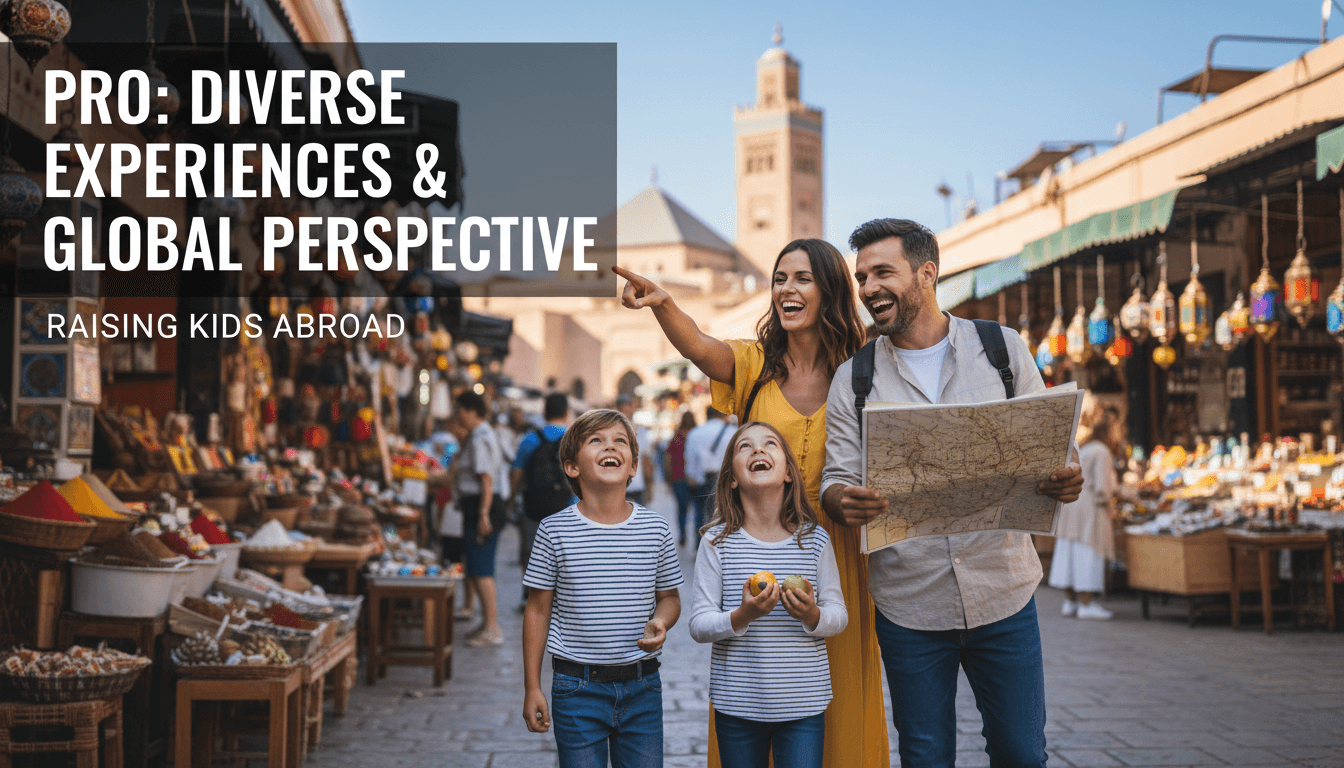
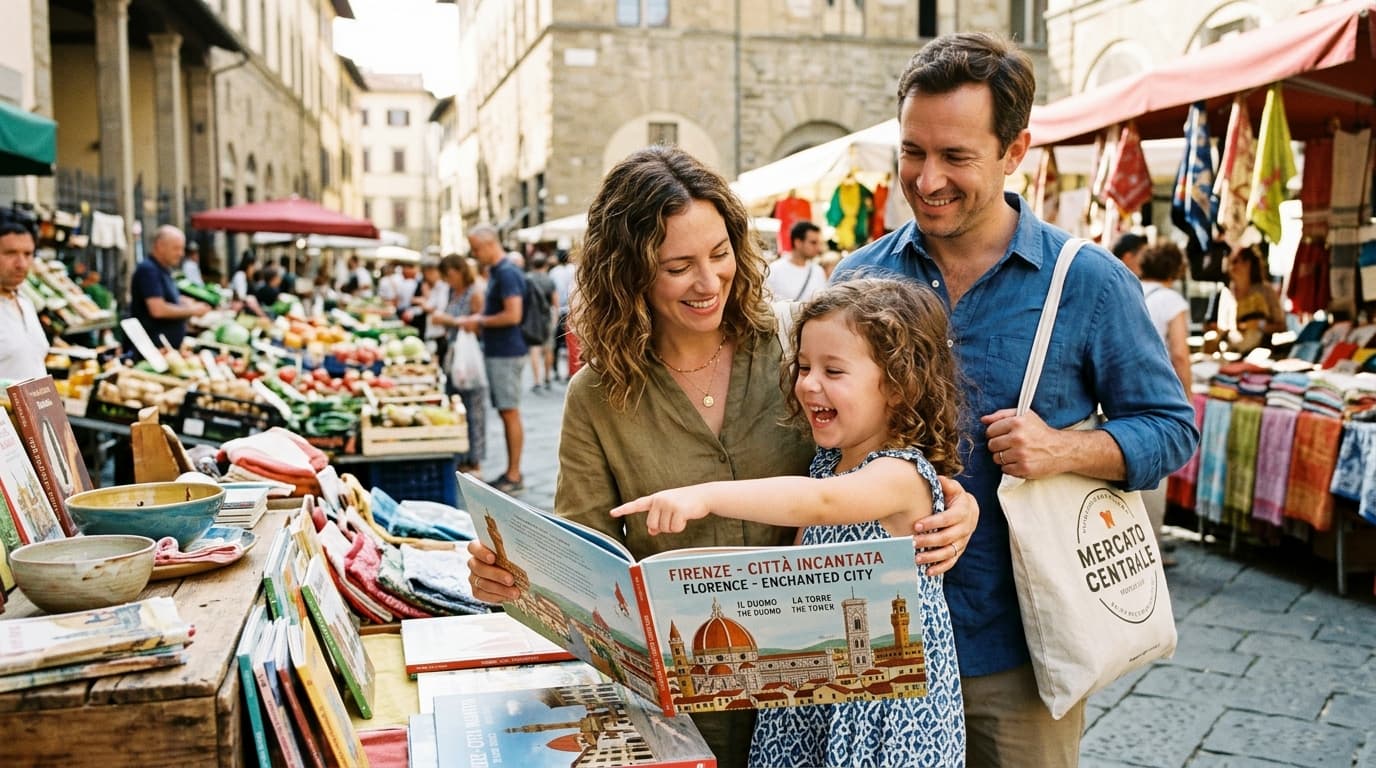
Instead of memorizing vocabulary lists from a textbook in a silent classroom, bilingual kids traveling the world learn new languages organically through immersion—ordering gelato in Rome, bargaining at local fruit markets in Oaxaca, or making friends on playgrounds in Tokyo.
In this guide, we break down how worldschooling language learning works in practice, how it differs from traditional homeschooling, and how parents can combine real-world immersion with the best language apps for traveling kids.
Why Travel is the Ultimate Language Lab for Children
Children’s brains are uniquely wired for language acquisition. Before adolescence, young minds absorb pronunciation, syntax, and accent subtleties effortlessly through active listening and social context—a process known as implicit learning.
When you travel, language ceases to be an abstract school subject; it becomes a vital tool for connection and play.
       ┌─────────────────────────────────────────────────────────┐
       │             Real-World Language Immersion               │
       └────────────────────────────┬────────────────────────────┘
                                    │
    ┌───────────────────────────────┼───────────────────────────────┐
    ▼                               ▼                               ▼
┌──────────────────────┐  ┌──────────────────────┐  ┌──────────────────────┐
│ Playgrounds & Sports │  │  Local Market Buys   │  │  Cultural Workshops  │
│ Social interaction   │  │ Practical phrases &  │  │ Cooking, craft & art │
│ with local peers     │  │ numbers in real time │  │ immersive vocabulary │
└──────────────────────┘  └──────────────────────┘  └──────────────────────┘
Immersion vs. Standard Homeschooling
Standard home education often relies on structured workbooks. While sitting at a desk reading about grammar rules works for grammar mechanics, it rarely produces fluent speakers.
When you embark on homeschooling on the road, language education shifts from rote memorization to contextual discovery. A child who learns the Spanish word for "water" (agua) while surfing with a local instructor retains that word far better than one who sees it on a flashcard.
5 Practical Strategies to Help Kids Learn Languages Naturally
You don't need to be fluent in five languages yourself to raise multilingual children on the road. Here is how traveling families nurture natural fluency without forcing rigid study routines:
1. The Playground Test (Peer-to-Peer Immersion)
Kids don't need a shared native language to play tag or build sandcastles. Taking your children to local parks, beaches, and community playgrounds is the fastest way for them to absorb informal, conversational language. Within days, you will hear your kids using local slang, body language, and play vocabulary effortlessly.
2. Enroll in Short-Term Local Camps & Workshops
Rather than traditional full-year international schools, look for short-term day camps focused on sports, cooking, or art.
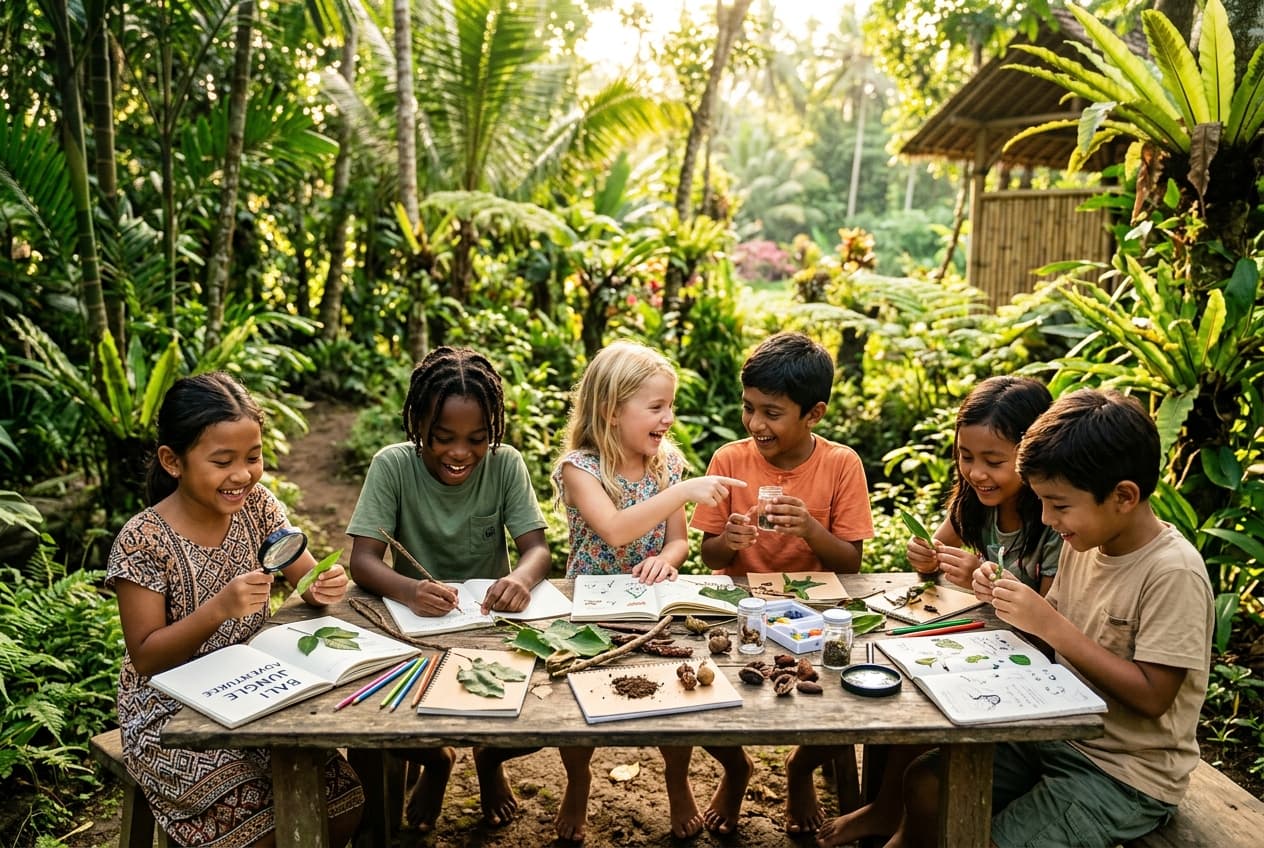
- A 2-week soccer clinic in Spain or a pottery class in Bali forces real-time listening without the stress of academic exams.
- To explore structured options, check out our guide on the best educational travel programs for digital nomad kids.
3. Make Daily Errands an Educational Game
Turn everyday life into micro-lessons:
- The Bakery Mission: Hand your child local currency and have them order bread or fruit in the local language.
- Scavenger Hunts: At local grocery stores, challenge kids to find items written in the local script (e.g., finding leche in Spain or susu in Indonesia).
4. Use Contextual Language Apps for Traveling Kids
Complementing real-world exposure with digital practice solidifies grammar and reading skills. The key is using interactive, gamified tools:
- DuoLingo Kids / DuoLingo: Excellent for gamified daily habit-building and basic vocabulary.
- GUS on the Go: Tailored for younger children (toddlers and early elementary) with interactive storytelling and vocabulary games in 30+ languages.
- Mondly Kids: Features fun visual lessons and speech-recognition technology that helps kids practice pronunciation.
- Pimsleur Audio (for older kids & parents): Ideal for listening comprehension while on trains or long car rides.
5. Consume Local Media & Entertainment
Set your family streaming services (Netflix, Disney+, YouTube) to the language of the country you are visiting, with subtitles in your native language. Watching cartoons or listening to local children's songs in the car builds auditory familiarity and trains the ear to recognize natural speech cadence.
Balancing Language Immersion with Core Education
It is important to remember that language learning is just one piece of the broader worldschooling puzzle. If you are new to this lifestyle, combining natural language acquisition with core subjects like math and science is simpler than it sounds.
Read our breakdown of worldschooling basics to learn how families structure holistic, experiential education without burning out.
The Long-Term Benefits of Raising Multilingual Nomads
Raising bilingual kids traveling the world offers benefits that extend far beyond test scores:
- Cognitive Flexibility: Multilingual children demonstrate superior problem-solving skills, memory retention, and adaptability.
- Empathy & Global Mindset: Learning another language opens a window into different cultures, fostering deep empathy and cultural respect.
- Confidence: Overcoming the barrier of communicating in a foreign tongue builds unmatched self-assurance in young travelers.
By embracing the world as your classroom, you give your children a lifelong gift: the ability to connect with people anywhere on Earth.
About Sarah Jenkins
Co-Founder & Worldschooling Educator
Sarah Jenkins is a former educator and curriculum developer who leads the family's worldschooling and homeschooling curriculum while traveling the globe.
AdSense Placeholder (728x90 or 300x250)
Get the Free Family Budget Planner
Download the exact Google Sheets spreadsheet template we use to track rent, flights, local food, and insurance across 40+ countries. Enter your email to get it sent to your inbox instantly.
We will never spam you. Unsubscribe at any time.
Related Articles